In today’s digital world, most customers search online before visiting a store, booking a service, or calling a business.
When someone searches:
-
“Dentist near me”
-
“Best restaurant in Chicago”
-
“Plumber in London”
-
“Marketing agency near me”
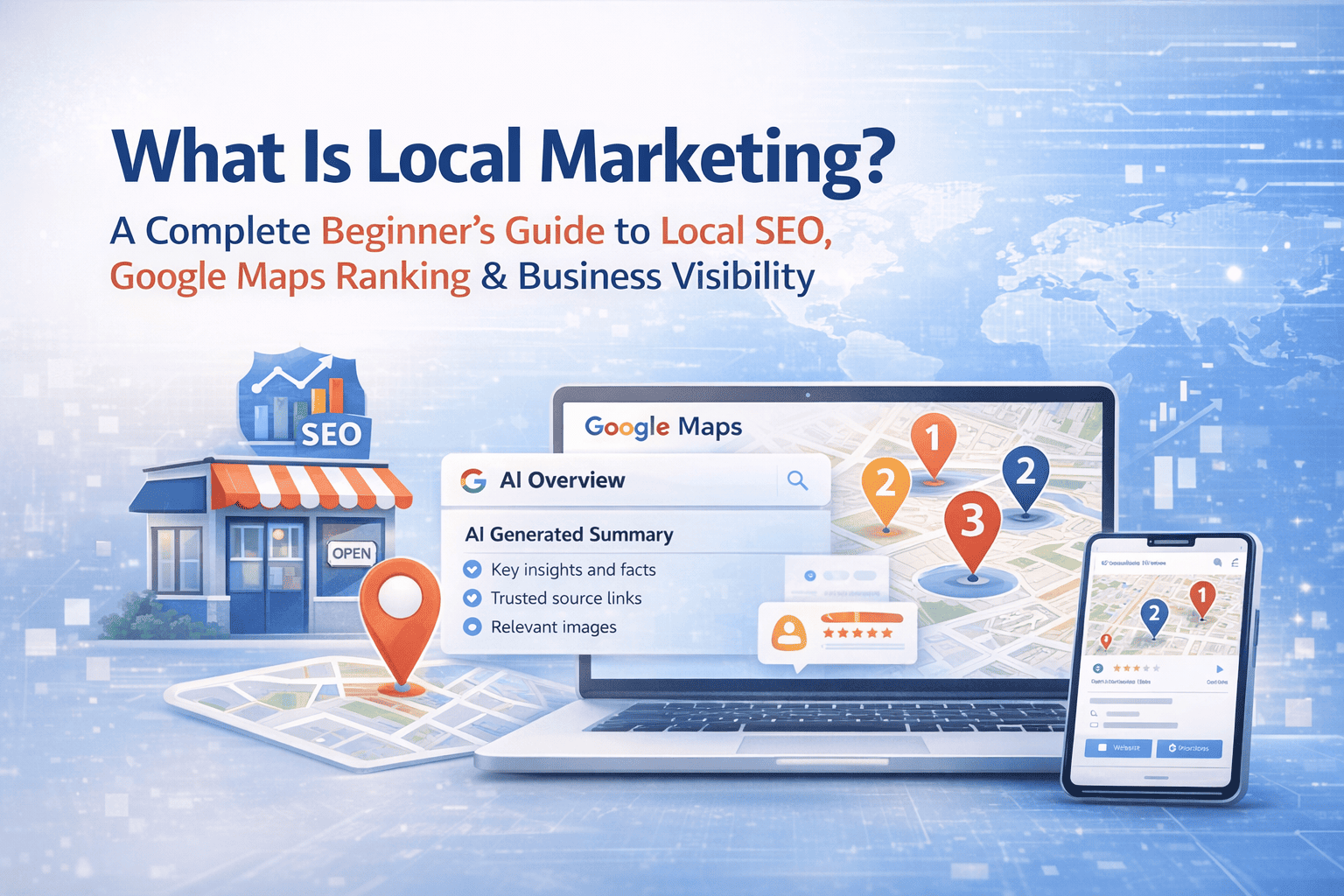
Google shows local results first – especially Google Maps listings.
If your business does not appear there, you are losing potential customers every day.
This is where local marketing and local SEO become essential.
In this complete beginner guide, you will learn:
-
What local marketing is
-
What local SEO means
-
How Google Maps ranking works
-
What Google Business Profile is
-
How to optimize your profile
-
What local citations are
-
What NAP consistency means
-
How online reviews impact rankings
Let’s start from the foundation.
What Is Local Marketing?
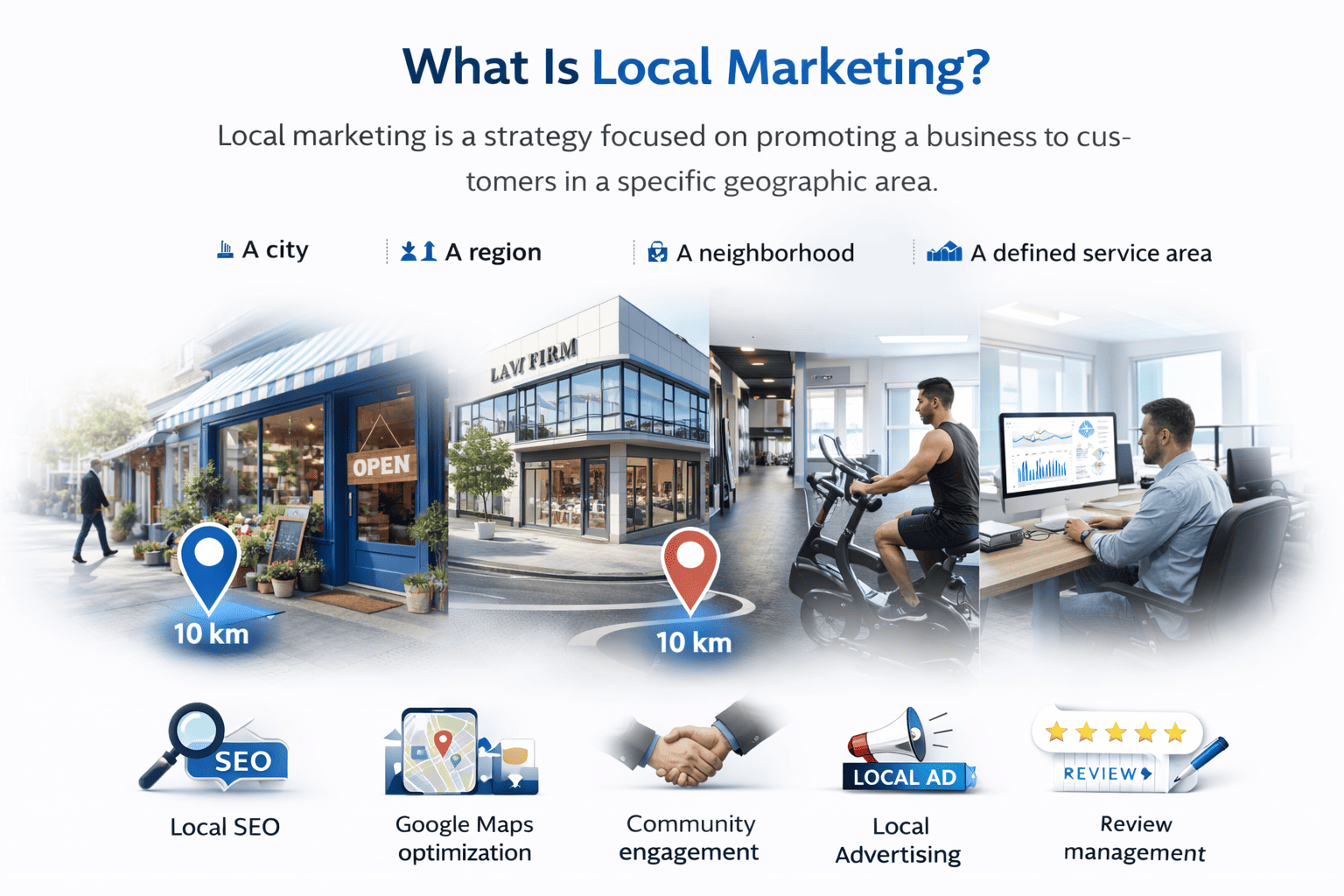
Local marketing is a strategy focused on promoting a business to customers in a specific geographic area.
Unlike national or global marketing, local marketing targets:
-
A city
-
A region
-
A neighborhood
-
A defined service area
For example:
-
A bakery targeting customers within 10 km
-
A law firm serving one city
-
A gym targeting nearby residents
-
A digital marketing agency targeting local businesses
Local marketing includes both online and offline methods, such as:
-
Local SEO
-
Google Maps optimization
-
Community engagement
-
Local advertising
-
Review management
Today, digital local marketing is the most powerful way to reach nearby customers.
Why Local Marketing Is Important for Small Businesses
Local marketing is powerful because it connects businesses with high-intent customers.
1. Higher Purchase Intent
People searching locally are usually ready to take action.
Example:
“Emergency electrician near me” shows urgent intent.
2. Less Competition Than Global SEO
Ranking locally is often easier than ranking nationally.
3. Higher Conversion Rates
Local searches often lead to:
-
Phone calls
-
Direction requests
-
In-store visits
-
Appointment bookings
4. Stronger Community Trust
Consistent visibility builds local credibility.
For service-based businesses, local marketing can become the primary source of leads.
What Is Local SEO and How Does It Work?
Local SEO (Search Engine Optimization) is the process of optimizing your business so it appears in local search results and Google Maps.
When someone searches for a service in a specific location, Google shows:
-
Paid ads
-
Local Pack (Google Maps listings)
-
Organic website results
Local SEO helps your business rank in both the Local Pack and organic local results.
Google uses three primary ranking factors:
Relevance
How closely your business matches the search query.
Distance
How close your business is to the searcher.
Prominence
How well-known and trusted your business is online.
Prominence is influenced by:
-
Reviews
-
Citations
-
Backlinks
-
Website authority
-
Online mentions
How Small Businesses Can Rank on Google Maps
Ranking on Google Maps requires consistent optimization.
Here is a step-by-step process:
Step 1: Create and Verify Your Google Business Profile
This is the foundation of local SEO.
Without a verified profile, you cannot rank in Google Maps.
Step 2: Complete Every Section of Your Profile
Fill in:
-
Business name
-
Address
-
Phone number
-
Website
-
Business hours
-
Services
-
Description
-
Categories
Incomplete profiles rank poorly.
Step 3: Use Location-Based Keywords
Include relevant local keywords naturally in your:
-
Business description
-
Services section
-
Posts
Example:
“Local SEO agency in Toronto helping small businesses grow.”
Step 4: Add High-Quality Photos
Businesses with photos receive more clicks and engagement.
Add:
-
Exterior images
-
Interior photos
-
Team photos
-
Service images
Update photos regularly.
Step 5: Collect Genuine Reviews
Reviews are one of the strongest ranking factors.
Encourage satisfied customers to leave honest feedback.
Always respond professionally to both positive and negative reviews.
Step 6: Maintain Consistent NAP Information
Your Name, Address, and Phone number must be identical across all online platforms.
This builds trust with search engines.
What Is Google Business Profile?
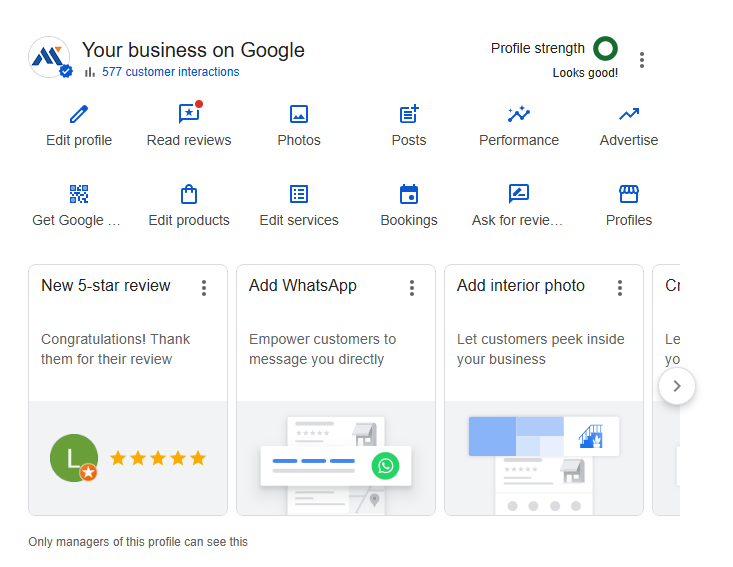
Google Business Profile (formerly Google My Business) is a free tool that allows businesses to manage their presence on Google Search and Google Maps.
It displays:
-
Business name
-
Address
-
Phone number
-
Website link
-
Operating hours
-
Reviews
-
Photos
-
Services
It acts as your digital storefront on Google.
An optimized profile can drive the following:
-
Calls
-
Website visits
-
Direction requests
-
Messages
How to Optimize Google Business Profile
Here is a practical optimization checklist:
Choose the Correct Primary Category
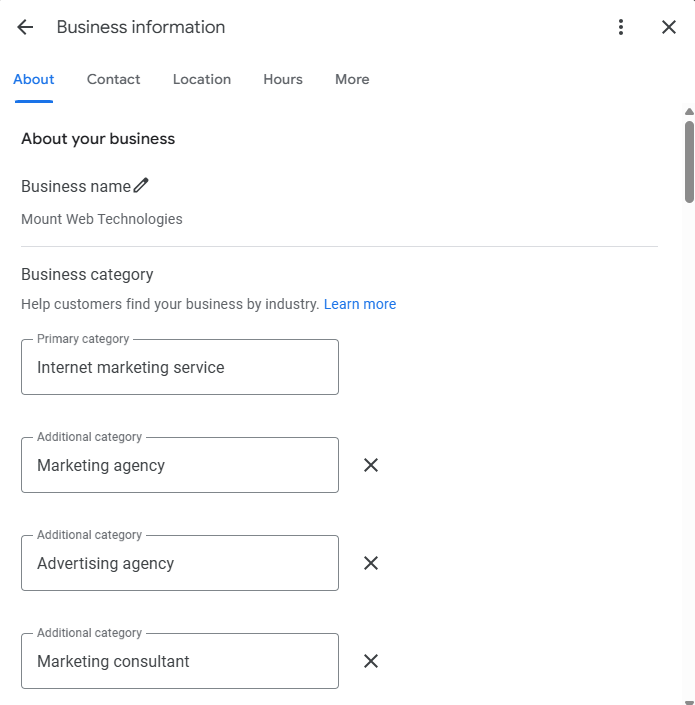
Your primary category significantly impacts rankings.
Add Secondary Categories
This increases visibility for related searches.
Write an Optimized Description
Include:
-
What you do
-
Who you serve
-
Your location
-
Unique benefits
Post Weekly Updates
Share:
-
Tips
-
Offers
-
Announcements
Add Detailed Service Listings
Each service should have a short description.
Enable Messaging
Allow customers to contact you easily.
Local SEO vs Traditional SEO
Although both aim to improve search visibility, they differ significantly.
| Local SEO | Traditional SEO |
|---|---|
| Targets specific location | Targets global or national audience |
| Focuses on Google Maps | Focuses on website rankings |
| Requires Google Business Profile | Not required |
| Reviews strongly impact rankings | Less impact |
| Uses location keywords | Uses broader keywords |
If your customers are local, local SEO should be your priority.
What Are Local Citations?
Local citations are online mentions of your business information.
They usually include:
-
Business Name
-
Address
-
Phone number
Examples:
-
Business directories
-
Industry listing sites
-
Local directories
-
Social media platforms
Citations help search engines verify your business legitimacy.
Accurate citations strengthen local ranking signals.
What Is NAP Consistency?
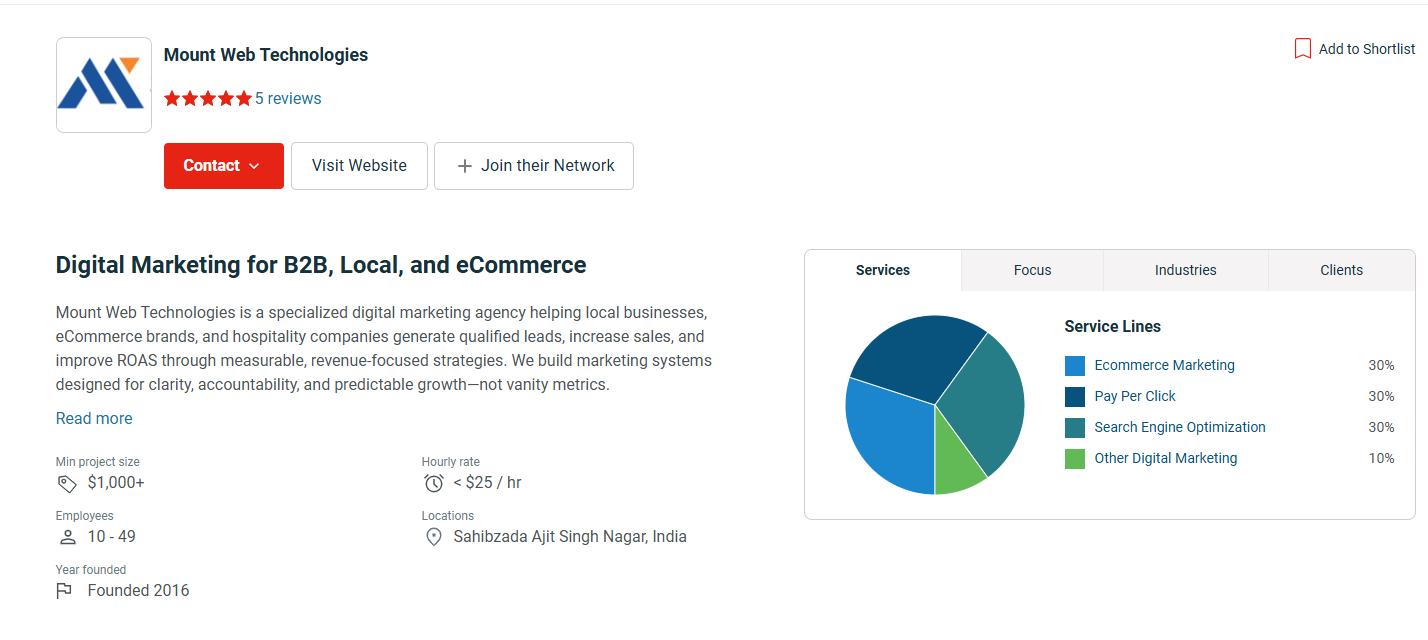
NAP stands for:
Name
Address
Phone Number
NAP consistency means your business details must be exactly the same across all platforms.
Even small differences can reduce trust signals.
Example:
Website:
123 Main Street
Directory:
123 Main St.
Search engines may treat these differently.
Consistency improves ranking stability.
How Online Reviews Impact Local Rankings
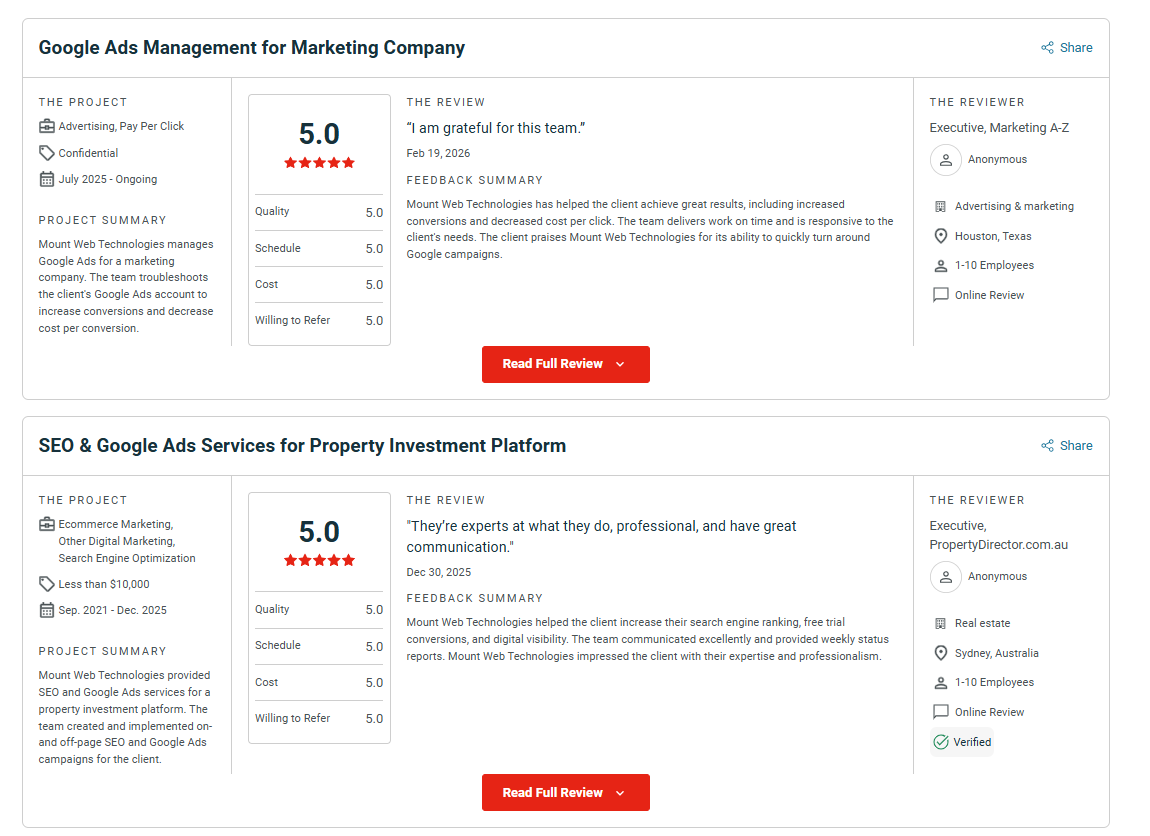
Online reviews play a critical role in local SEO.
Google considers:
-
Number of reviews
-
Frequency of new reviews
-
Star rating
-
Keywords used in reviews
-
Owner responses
Reviews impact rankings because they:
-
Build customer trust
-
Increase click-through rates
-
Strengthen prominence signals
Encourage authentic reviews and respond consistently.
Common Local SEO Mistakes to Avoid
Avoid these common errors:
-
Ignoring profile optimization
-
Using inconsistent NAP information
-
Buying fake reviews
-
Keyword stuffing
-
Not updating business hours
-
Ignoring negative feedback
Local SEO rewards authenticity and consistency.
How Long Does Local SEO Take?
Local SEO is not instant.
Typical timeline:
Month 1:
Setup and optimization.
Month 2-3:
Increased impressions and visibility.
Month 3-6:
Ranking improvements and more enquiries.
Highly competitive areas may take longer.
Consistency and quality determine results.
Frequently Asked Questions (FAQ)
Q1. What is the difference between local marketing and local SEO?
Local marketing is a broader strategy that includes all promotional efforts targeting a specific geographic area. Local SEO is a part of local marketing that focuses specifically on improving visibility in search engines and Google Maps.
Q2. Is Google Business Profile free?
Yes, Google Business Profile is completely free to create and manage. Businesses can optimize their profile without paying Google.
Q3. How long does it take to rank on Google Maps?
Most businesses start seeing improvements within 1 to 3 months. Competitive industries or large cities may require more time and consistent optimization.
Q4. Why are reviews important for local SEO?
Reviews help Google determine your business’s credibility and popularity. More consistent, genuine reviews often improve local rankings and customer trust.
Q5. What are local citations in SEO?
Local citations are mentions of your business name, address, and phone number on directories and websites. They help search engines verify your business information.
Q6. What is NAP consistency?
NAP consistency means your business Name, Address, and Phone number are identical across all platforms. Inconsistencies can harm local rankings.
Q7. Can I rank locally without a website?
Yes, you can rank using a well-optimised Google Business Profile. However, having a website significantly improves ranking potential and authority.
Q8. How many reviews do I need to rank higher?
There is no fixed number. Consistent review growth compared to competitors is more important than a specific total.
Final Thoughts
Local marketing is essential for businesses that rely on nearby customers.
If implemented correctly, local SEO can become one of the most cost-effective lead generation strategies.
To succeed:
-
Optimize your Google Business Profile
-
Maintain NAP consistency
-
Build accurate local citations
-
Collect genuine reviews
-
Optimize your website for local keywords
-
Stay consistent and active
Local visibility is not achieved overnight – it is built through credibility, trust, and steady improvement.
Businesses that invest in proper local optimization often see:
-
Higher Google Maps rankings
-
Increased phone calls
-
More website visits
-
Stronger community reputation
-
Consistent local leads
For small businesses, local search visibility is no longer optional – it is essential for growth in today’s digital landscape.