Local SEO

How Will AI Mode Impact Local SEO?

How Will AI Mode Impact Local SEO?

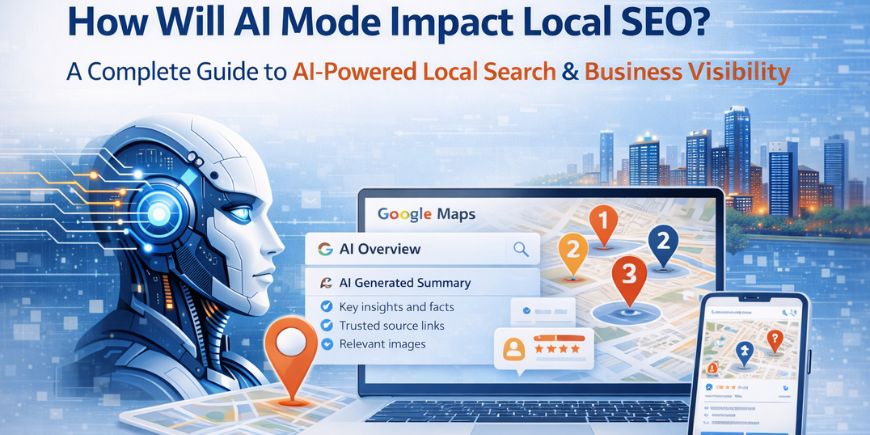
Quick Summary Click to View Key Insights Google AI Mode allows users to interact with search in a conversational way, where the system evaluates businesses using multiple background queries instead of simply listing blue links. AI-powered search reduces traditional website clicks by summarizing and citing trusted sources directly, increasing zero-click searches and shifting visibility from rankings to entity authority. Local SEO in 2026 prioritizes sentiment analysis, entity-based verification, Google Maps ranking signals, and structured data over keyword stuffing or simple star ratings. Real-world AI search impact includes hyper-local proximity filtering, review context extraction, real-time service validation, and semantic intent matching. To adapt, businesses must strengthen their digital footprint, implement advanced schema markup, maintain consistent NAP data, optimize Google Business Profile regularly, and build strong E-E-A-T signals. Partner with Mount Web Technologies, a forward-thinking local SEO company, to align your business with Google AI Mode and secure measurable local growth. Search in 2026 looks very different from what most businesses optimized for five years ago. Industry data cited by Statista shows AI generated results and Overviews now appear in more than half of Google searches, changing how users discover brands and compare local SEO services. Google AI Mode is reshaping how results are evaluated, displayed, and recommended. Traditional rankings still matter, but visibility now depends on credibility, structure, and context. If your local SEO optimization strategy does not adapt, even the best local SEO services may struggle to convert impressions into clicks. Let’s get started with the definition! What Is Google AI Mode & How Does It Work? Google AI Mode goes beyond showing a list of blue links. It analyzes intent, cross checks data, and produces summarized responses. It behaves less like a search engine and more like a research assistant. The Mechanism of Agentic Search The Fan Out Logic: AI Mode issues multiple layered queries behind the scenes. Instead of checking one keyword, it evaluates related questions such as reputation, proximity, authority, pricing transparency, and service reliability. This multi query logic validates whether your business deserves to be recommended. The Citation Engine: Instead of showing ads, AI Mode constructs a research-style summary. If your business isn’t cited as a source, you don’t exist in that search session. Agentic Search: AI acts on behalf of the user. It filters options, evaluates reviews, and narrows down recommendations. For a local SEO agency or local SEO company, this means authority signals matter more than keyword repetition. Mathematical Meaning: Through vector embeddings, Google matches the intent of your service to the user’s problem, rather than just matching the words on your page. The New Search Reality: Google AI Mode vs. AI Overviews The evolution of search has bifurcated into two distinct experiences. Understanding the nuance between a summary and an assistant is critical for any local SEO agency aiming to maintain visibility in 2026. Google AI Mode: This is a chat-based interface. Users can ask follow-up questions and interact with a digital assistant. It helps refine complex local search needs. AI Overviews: These are AI-generated summaries that show at the top of search results. They highlight key information and cite web sources to answer questions quickly. Key Differences: AI Mode vs. AI Overviews To succeed in local search optimization, you must understand how your data is being used in these two different environments. Feature Google AI Mode AI Overviews (SGE) User Intent Deep research and task execution. Quick answers and fact-checking. Interaction Conversational; remembers past prompts. Static; refreshes per individual search. Visibility High-intent “Entity” citations only. Mix of AI text and traditional links. Local Impact Acts as a concierge (e.g., “Book this”). Acts as a summary (e.g., “Top 3 rated”). CTR Potential Extremely low (Zero-click focus). Moderate (Links are still present). Your Strategy Be the most “Trusted Entity” in your area. Be the most “Fact-Dense” source of info. According to 2026 marketing data from Statista, roughly 34.5% of users no longer click on websites because the AI gives them the answer directly. This makes “Brand Authority” more important than ever. Google’s AI doesn’t just look at your website; it looks at your entire digital footprint. When it sees high-authority signals, it views your business as a real, popular, and verified entity. In the AI era, being “talked about” on social media is just as important as having a fast website. How AI Mode Impacts Local SEO In 2026, Google AI Mode filters businesses based on real-world trust rather than just metadata. This shift changes local seo ranking factors from simple keyword matching to complex entity verification. 1. The Hyper-Local Proximity Filter Google now uses “Agentic Search” to narrow down options by combining user intent with real-time transit data. To rank higher on Google, your business must be physically accessible within the user’s specific time-frame and travel route. Real-Time Logistics: AI calculates the exact travel time from the user’s GPS to your door. Intent Mapping: Distinguishes between “browsing” and “urgent need” (e.g., an emergency plumber). Transit Integration: Uses live traffic data to determine if you are a viable choice right now. Dynamic Radius: The search area expands or shrinks based on the density of local competitors. 2. Sentiment Analysis Over Star Ratings A high star rating is no longer enough for the best local SEO company to promise results. AI Overviews now analyze the emotional tone and specific nouns within your reviews to determine if you truly solve the user’s problem. Noun Extraction: AI identifies specific services mentioned in reviews, like “fast drainage repair.” Emotional Weighting: Prioritizes businesses with “highly satisfied” language over generic “good” ratings. Conflict Resolution: Analyzes how you respond to negative feedback to measure reliability. The “Why” Factor: Summarizes reviews into a single sentence for the user (e.g., “People love their pricing but mention long wait times”). 3. Entity-Based Verification Google confirms your physical existence through third-party data “Fan-Out” queries. This is the core of modern E-E-A-T signals, ensuring that a business isn’t just a “ghost” profile but a verified local authority. Digital Footprint Cross-Check: AI vets your info across

Local SEO

What Is Local Marketing? A Complete Beginner’s Guide to Local SEO, Google Maps Ranking & Business Visibility

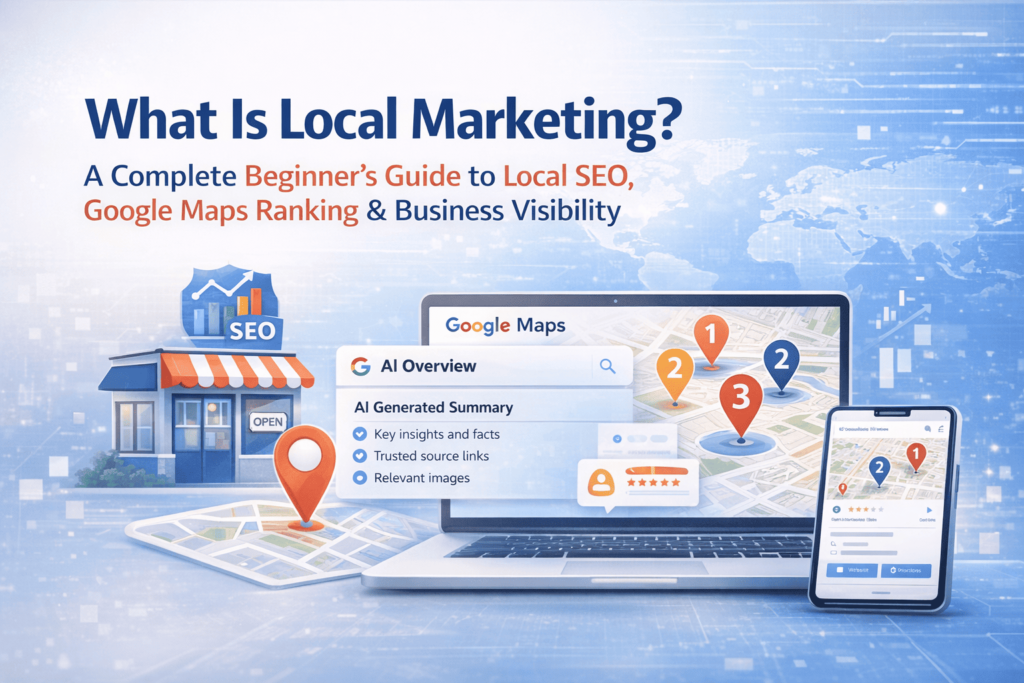
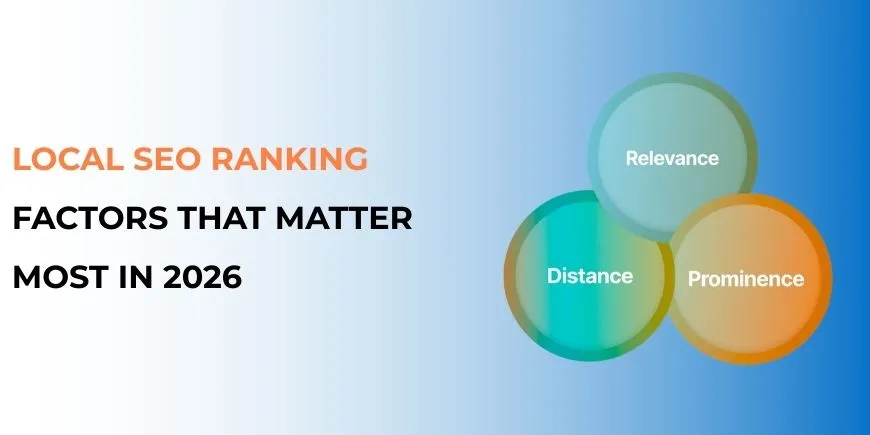
In today’s digital world, most customers search online before visiting a store, booking a service, or calling a business. When someone searches: “Dentist near me” “Best restaurant in Chicago” “Plumber in London” “Marketing agency near me” Google shows local results first – especially Google Maps listings. If your business does not appear there, you are losing potential customers every day. This is where local marketing and local SEO become essential. In this complete beginner guide, you will learn: What local marketing is What local SEO means How Google Maps ranking works What Google Business Profile is How to optimize your profile What local citations are What NAP consistency means How online reviews impact rankings Let’s start from the foundation. What Is Local Marketing? Local marketing is a strategy focused on promoting a business to customers in a specific geographic area. Unlike national or global marketing, local marketing targets: A city A region A neighborhood A defined service area For example: A bakery targeting customers within 10 km A law firm serving one city A gym targeting nearby residents A digital marketing agency targeting local businesses Local marketing includes both online and offline methods, such as: Local SEO Google Maps optimization Community engagement Local advertising Review management Today, digital local marketing is the most powerful way to reach nearby customers. Why Local Marketing Is Important for Small Businesses Local marketing is powerful because it connects businesses with high-intent customers. 1. Higher Purchase Intent People searching locally are usually ready to take action. Example: “Emergency electrician near me” shows urgent intent. 2. Less Competition Than Global SEO Ranking locally is often easier than ranking nationally. 3. Higher Conversion Rates Local searches often lead to: Phone calls Direction requests In-store visits Appointment bookings 4. Stronger Community Trust Consistent visibility builds local credibility. For service-based businesses, local marketing can become the primary source of leads. What Is Local SEO and How Does It Work? Local SEO (Search Engine Optimization) is the process of optimizing your business so it appears in local search results and Google Maps. When someone searches for a service in a specific location, Google shows: Paid ads Local Pack (Google Maps listings) Organic website results Local SEO helps your business rank in both the Local Pack and organic local results. Google uses three primary ranking factors: Relevance How closely your business matches the search query. Distance How close your business is to the searcher. Prominence How well-known and trusted your business is online. Prominence is influenced by: Reviews Citations Backlinks Website authority Online mentions How Small Businesses Can Rank on Google Maps Ranking on Google Maps requires consistent optimization. Here is a step-by-step process: Step 1: Create and Verify Your Google Business Profile This is the foundation of local SEO. Without a verified profile, you cannot rank in Google Maps. Step 2: Complete Every Section of Your Profile Fill in: Business name Address Phone number Website Business hours Services Description Categories Incomplete profiles rank poorly. Step 3: Use Location-Based Keywords Include relevant local keywords naturally in your: Business description Services section Posts Example: “Local SEO agency in Toronto helping small businesses grow.” Step 4: Add High-Quality Photos Businesses with photos receive more clicks and engagement. Add: Exterior images Interior photos Team photos Service images Update photos regularly. Step 5: Collect Genuine Reviews Reviews are one of the strongest ranking factors. Encourage satisfied customers to leave honest feedback. Always respond professionally to both positive and negative reviews. Step 6: Maintain Consistent NAP Information Your Name, Address, and Phone number must be identical across all online platforms. This builds trust with search engines. What Is Google Business Profile? Google Business Profile (formerly Google My Business) is a free tool that allows businesses to manage their presence on Google Search and Google Maps. It displays: Business name Address Phone number Website link Operating hours Reviews Photos Services It acts as your digital storefront on Google. An optimized profile can drive: Calls Website visits Direction requests Messages How to Optimize Google Business Profile Here is a practical optimization checklist: Choose the Correct Primary Category Your primary category significantly impacts rankings. Add Secondary Categories This increases visibility for related searches. Write an Optimized Description Include: What you do Who you serve Your location Unique benefits Post Weekly Updates Share: Tips Offers Announcements Add Detailed Service Listings Each service should have a short description. Enable Messaging Allow customers to contact you easily. Local SEO vs Traditional SEO Although both aim to improve search visibility, they differ significantly. Local SEO Traditional SEO Targets specific location Targets global or national audience Focuses on Google Maps Focuses on website rankings Requires Google Business Profile Not required Reviews strongly impact rankings Less impact Uses location keywords Uses broader keywords If your customers are local, local SEO should be your priority. What Are Local Citations? Local citations are online mentions of your business information. They usually include: Business Name Address Phone number Examples: Business directories Industry listing sites Local directories Social media platforms Citations help search engines verify your business legitimacy. Accurate citations strengthen local ranking signals. What Is NAP Consistency? NAP stands for: NameAddressPhone Number NAP consistency means your business details must be exactly the same across all platforms. Even small differences can reduce trust signals. Example: Website:123 Main Street Directory:123 Main St. Search engines may treat these differently. Consistency improves ranking stability. How Online Reviews Impact Local Rankings Online reviews play a critical role in local SEO. Google considers: Number of reviews Frequency of new reviews Star rating Keywords used in reviews Owner responses Reviews impact rankings because they: Build customer trust Increase click-through rates Strengthen prominence signals Encourage authentic reviews and respond consistently. Common Local SEO Mistakes to Avoid Avoid these common errors: Ignoring profile optimization Using inconsistent NAP information Buying fake reviews Keyword stuffing Not updating business hours Ignoring negative feedback Local SEO rewards authenticity and consistency. How Long Does Local SEO Take? Local SEO is not instant. Typical timeline: Month 1:Setup and optimization. Month 2-3:Increased impressions

Local SEO Services

Local SEO Ranking Factors That Matter Most in 2026

Local search is no longer predictable, and businesses relying on outdated tactics feel it first. Modern local seo services now focus on intent, proximity, and trust rather than keyword tricks. Google rewards brands that meet real local needs. It also values clear signals from profiles, pages, and user interactions. That shift is driven by how people search today. Google and Ipsos report that 46% of searches have local intent, often tied to immediate decisions on mobile. AI-powered results now show trusted businesses right in Maps and summaries. This leaves little space for brands that lack strong local relevance. This makes understanding local SEO in 2026 essential, not optional. The factors that influence visibility now combine AI interpretation, real user behaviour, and credibility signals. This guide explains the changes, what matters most, and how businesses can compete in local packs, organic results, and AI-driven search experiences. What Is Local SEO and What Has Changed in 2026 Local SEO is the practice of optimising your online presence so your business appears when people search for products or services in a specific location. Local SEO is different from traditional SEO. Instead of aiming for wide national or global rankings, it targets nearby searches. These include high-intent queries like “near me” or searches linked to a specific city or area. Here, customers are ready to take action. Local SEO is not just about stuffing a city name into a title any more. Three big shifts define 2026. AI-driven answers sit above classic results: Google AI Overviews and other answer engines now summarise local options directly in the result. They lean on trustworthy brands with accurate profiles, strong reviews, and clear local content. Local intent is stronger & more urgent: Multiple studies show that around 76% of people who run a local search on a smartphone visit a business within 24 hours, and roughly 28% of those visits lead to a purchase. That means your visibility for local terms is directly linked to revenue, not vanity traffic. Behaviour & trust signals matter as much as keywords: Google now looks carefully at how users interact with your listing. Clicks, calls, direction requests, repeat brand searches, and time on site all help it decide which business deserves to stay at the top. In short, the best local SEO services in 2026 return reliable, consistent businesses that provide clear information and good experiences. Shortcuts do not last. Key Local SEO Ranking Factors in 2026 1. AI Driven Search Relevance Search engines now rely on artificial intelligence to interpret intent, urgency, and context rather than matching exact keywords. Businesses should clearly state what they offer, who their customers are, and when they’re available. This helps match real search habits and decision-making. This is where local seo services have evolved significantly. Clear service descriptions, correct categories, and focused content help AI systems show businesses in Maps, organic listings, and AI-generated answers. This way, they don’t depend on old optimization tactics. 2. Proximity and User Behaviour Signals Location still plays a role, but proximity alone no longer guarantees visibility. Google now observes how users interact with nearby listings, including clicks, calls, and direction requests, to determine which businesses are genuinely preferred within the same area. Strong engagement signals indicate relevance and quality. When users consistently choose one business over others nearby, search engines learn to prioritise it, improving rankings across local packs and AI assisted results over time. 3. Reviews and Reputation Signals Customer reviews directly influence trust and ranking. Google looks at review volume, recency, star ratings, and written feedback. This helps them understand real customer experiences and service reliability in various places and industries. Equally important is how businesses respond. Timely and professional responses show that management is active and accountable. This helps potential customers and search engines see the brand as credible and dependable. 4. Local Backlinks and Citations Local backlinks and citations still matter in 2026, but their role has shifted from volume to accuracy and relevance. Recent local ranking factor studies show citation signals influence around 6 to 7% of local pack and organic results. Yet, they remain essential because consistent business details support trust and AI-driven visibility. Effective local SEO now centers on these key actions: Claim and correct listings on major platforms. Use one standard NAP format everywhere. Earn genuine local links by getting involved in the community. A clean citation base plus a few strong local backlinks proves real-world activity and long-term credibility. 5. On Page Local SEO Signals On-page optimization in 2026 focuses on answering real user questions and providing clarity for both humans and AI. This means going past keyword stuffing. Instead, focus on creating content with a clear purpose. Make sure it matches the local search language and defines your audience. Dedicated location and service pages are essential for outlining who you serve, what you do, and the expected outcome. This clarity comes from structured data, such as LocalBusiness, FAQ, and Review Schema. It also relies on consistent NAP (Name, Address, Phone) details. Content should be structured with simple, direct paragraphs and clear headings to suit answer engines. Utilize internal links strategically to guide users and crawlers between services, locations, and blog content. 6. Local Content Depth and Topical Coverage Search engines favour businesses that demonstrate real expertise within their local market. Content that answers location specific questions and explains services in practical terms helps establish topical authority and relevance. Well structured local content also supports conversational and voice searches. Clear explanations help AI systems understand and respond better to spoken queries. This is why businesses gain from the best local SEO services that focus on clarity and user intent. 7. Brand Trust and Credibility Signals Trust has become a core ranking driver. Search engines look for signals such as secure websites, transparent contact details, consistent branding, and third party mentions that indicate a legitimate, active business. Strong credibility supports long term visibility. Businesses that use the best local SEO services usually do better on Maps, in organic listings,

Scroll to Top

    Read Case Study in Detail