The era of ten blue links is rapidly disappearing. For global businesses trying to capture online traffic in 2026, standard search engine optimization is no longer enough. Today, search engines do not just retrieve information-they synthesize it.
When a user asks a complex question, Google’s AI Overviews, ChatGPT, and Perplexity generate a direct, conversational answer, pulling data from a select few highly trusted sources. If your brand is not among those cited sources, you are invisible to a massive segment of your target audience.
To win in this new landscape, businesses must pivot to Generative Engine Optimization (GEO). Here is your complete guide to mastering AI search ranking in 2026.
What Is Generative Engine Optimization (GEO)?
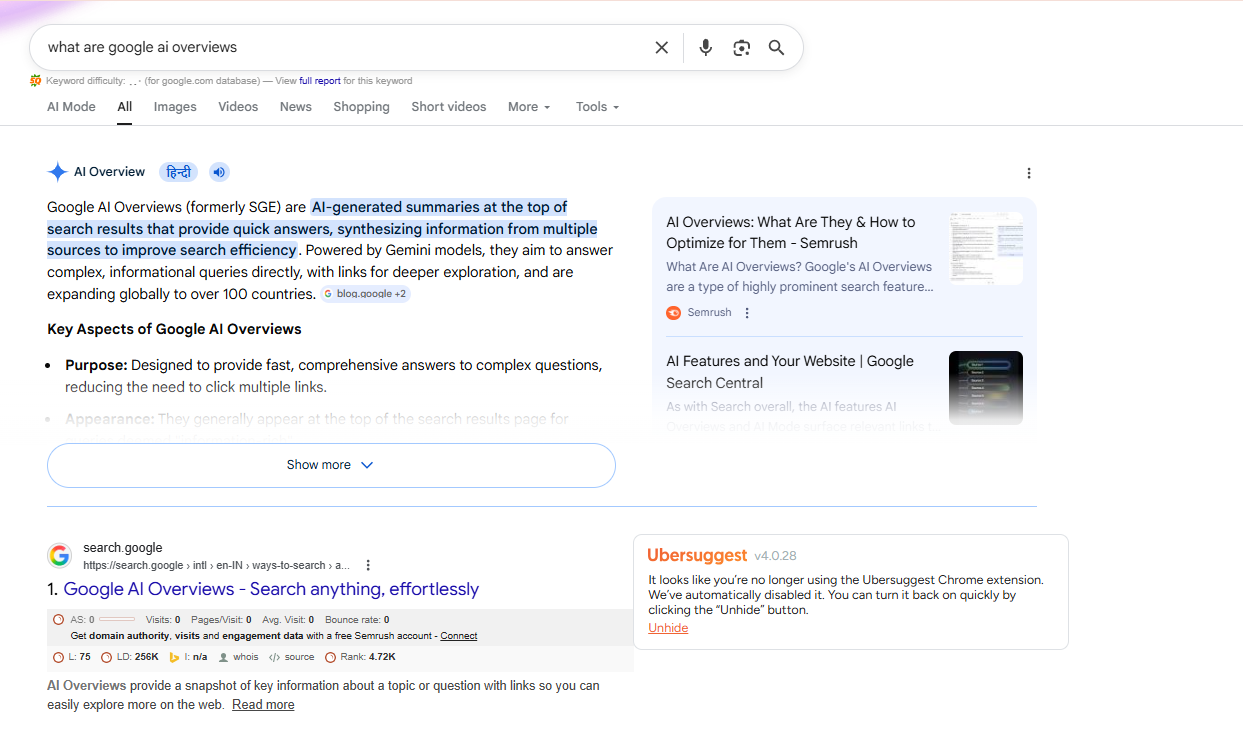
Generative Engine Optimization (GEO) is the process of structuring, validating, and enhancing website content so AI systems like Google AI Overviews, ChatGPT, and Perplexity select, summarize, and cite your brand in generated answers. Unlike traditional SEO, GEO focuses on semantic completeness, authority signals, structured data, and AI-readable formatting.
Why Traditional SEO Is No Longer Enough
Search has evolved.
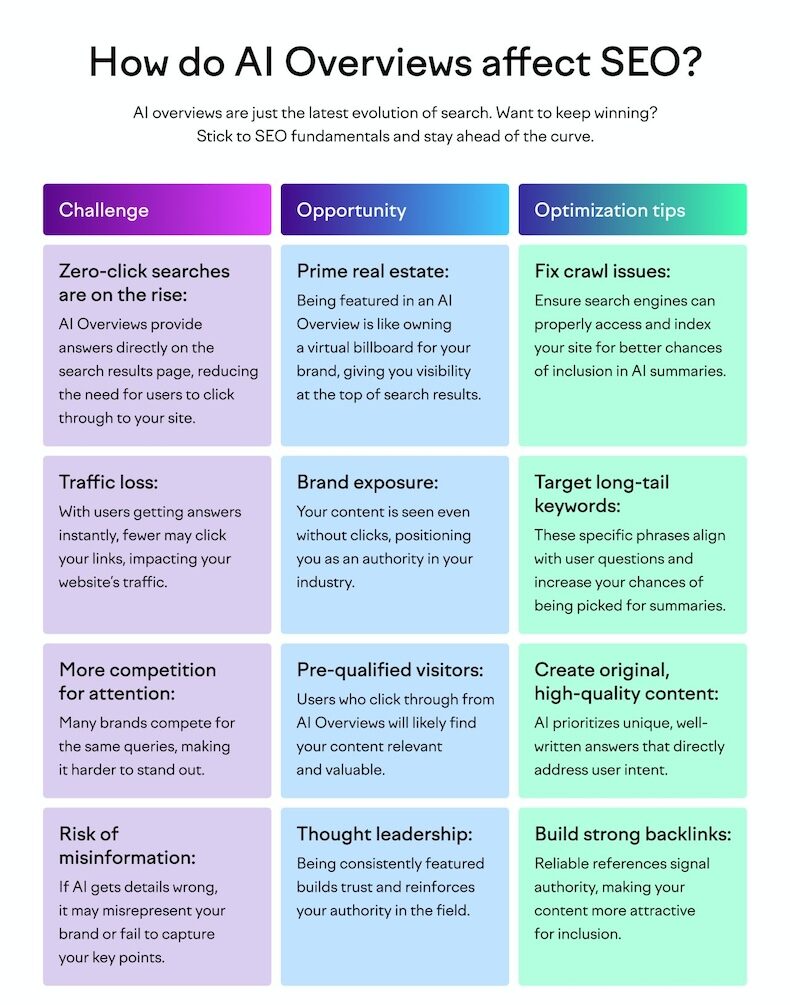
Instead of showing ten blue links, Google now delivers AI-generated summaries at the top of results. These summaries:
-
Pull from a limited set of trusted domains
-
Reduce traditional click-through rates
-
Prioritize authoritative, structured content
If your brand is not cited inside AI-generated answers, you lose visibility — even if you rank #1 organically.
This is why GEO is now the next evolution of SEO.
How Google AI Overviews Select Sources
Google’s AI systems evaluate content differently from traditional ranking algorithms.
To be cited, your page must demonstrate:
Semantic Completeness
Your page must fully answer the query without forcing AI to gather information from multiple sources.
Fact Density
AI systems prefer:
-
Statistics
-
Verifiable data
-
Specific numbers
-
Research-backed statements
This reduces hallucination risk.
Structural Clarity
AI parses:
-
Bullet points
-
Numbered lists
-
Comparison tables
-
Direct definitions under headings
Walls of text are ignored.
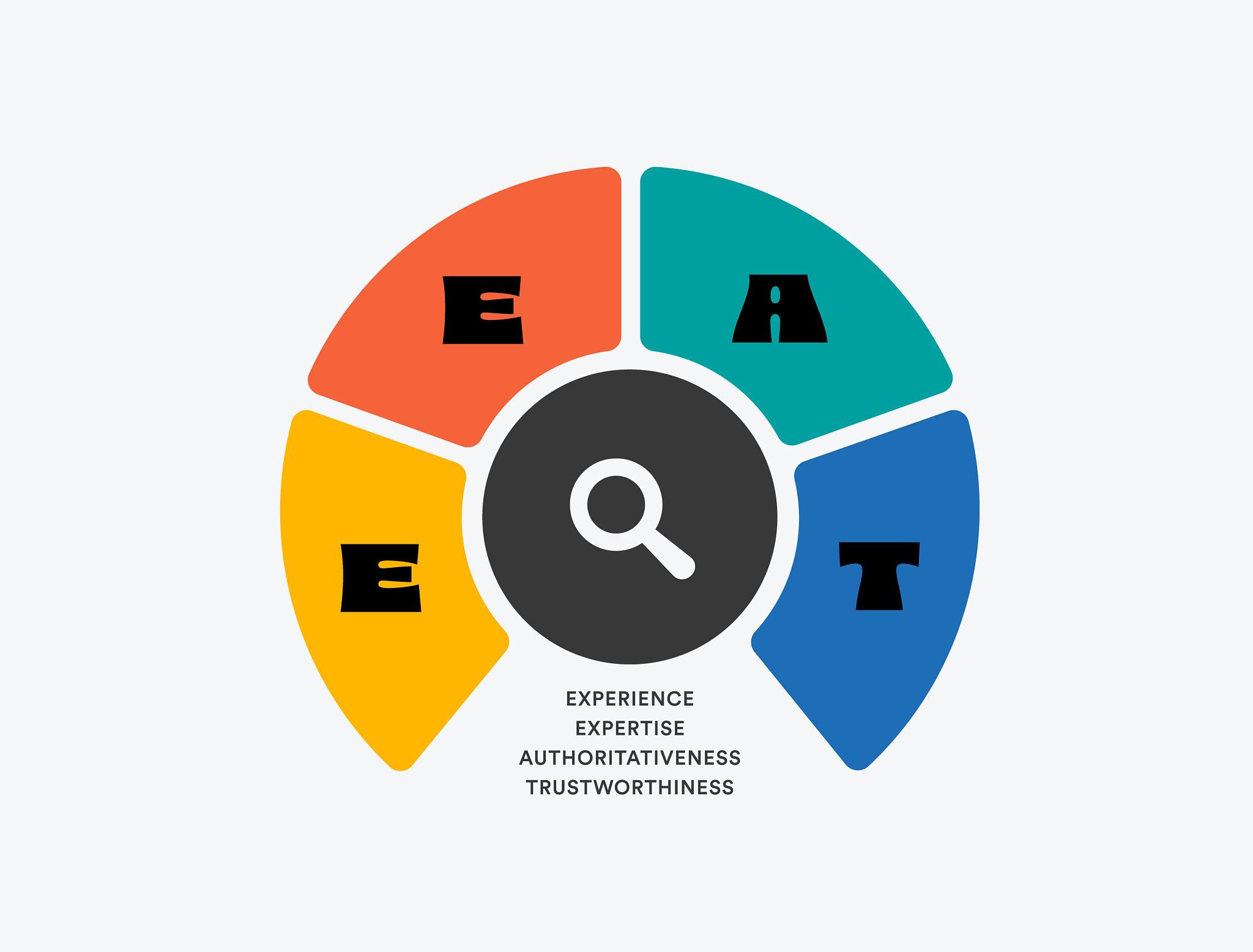
E-E-A-T Signals
Experience, Expertise, Authoritativeness, Trustworthiness remain foundational. AI favors:
-
Expert authors
-
Branded entities
-
Consistent web mentions
-
Transparent credentials
GEO vs Traditional SEO (Comparison Table)
| Factor | Traditional SEO | Generative Engine Optimization (GEO) |
|---|---|---|
| Goal | Rank in SERPs | Get cited in AI answers |
| Focus | Keywords & backlinks | Semantic authority & structured clarity |
| Content Style | Optimized for bots | Optimized for LLM extraction |
| Success Metric | Rankings | AI citations & brand mentions |
| Technical Need | Crawlability | Crawlability + AI readability |
4 Proven GEO Strategies to Rank in AI Overviews
1. Structure Content for AI Extraction
AI models consume structured answer blocks first.
Best Practices:
-
Add a 40–60 word direct answer after every H2
-
Use bullet lists heavily
-
Avoid hidden accordion-only content
-
Use short paragraphs (2–3 lines max)
2. Build Citation-Worthy Authority
AI verifies your credibility beyond your website.
You must:
-
Get brand mentions on trusted platforms
-
Publish expert-driven insights
-
Maintain consistent messaging across the web
-
Show real case studies
Authority is pattern recognition across the internet.
3. Close Your AI Citation Gaps
Most websites fail because they don’t analyze what AI is already citing.
You should:
-
Prompt AI tools with your target queries
-
Identify competitor citations
-
Create better structured answers
-
Fill topical gaps with high-confidence content
This is how you systematically increase citation probability.
4. Fix Technical AI Barriers
Even strong content fails if AI bots cannot read it.
Technical Checklist:
-
Ensure robots.txt allows AI crawlers
-
Hard-code critical answers in HTML
-
Implement FAQ, Article, and Organization schema
-
Optimize page speed
-
Ensure mobile-first rendering
GEO Content Framework (Pillar Strategy)
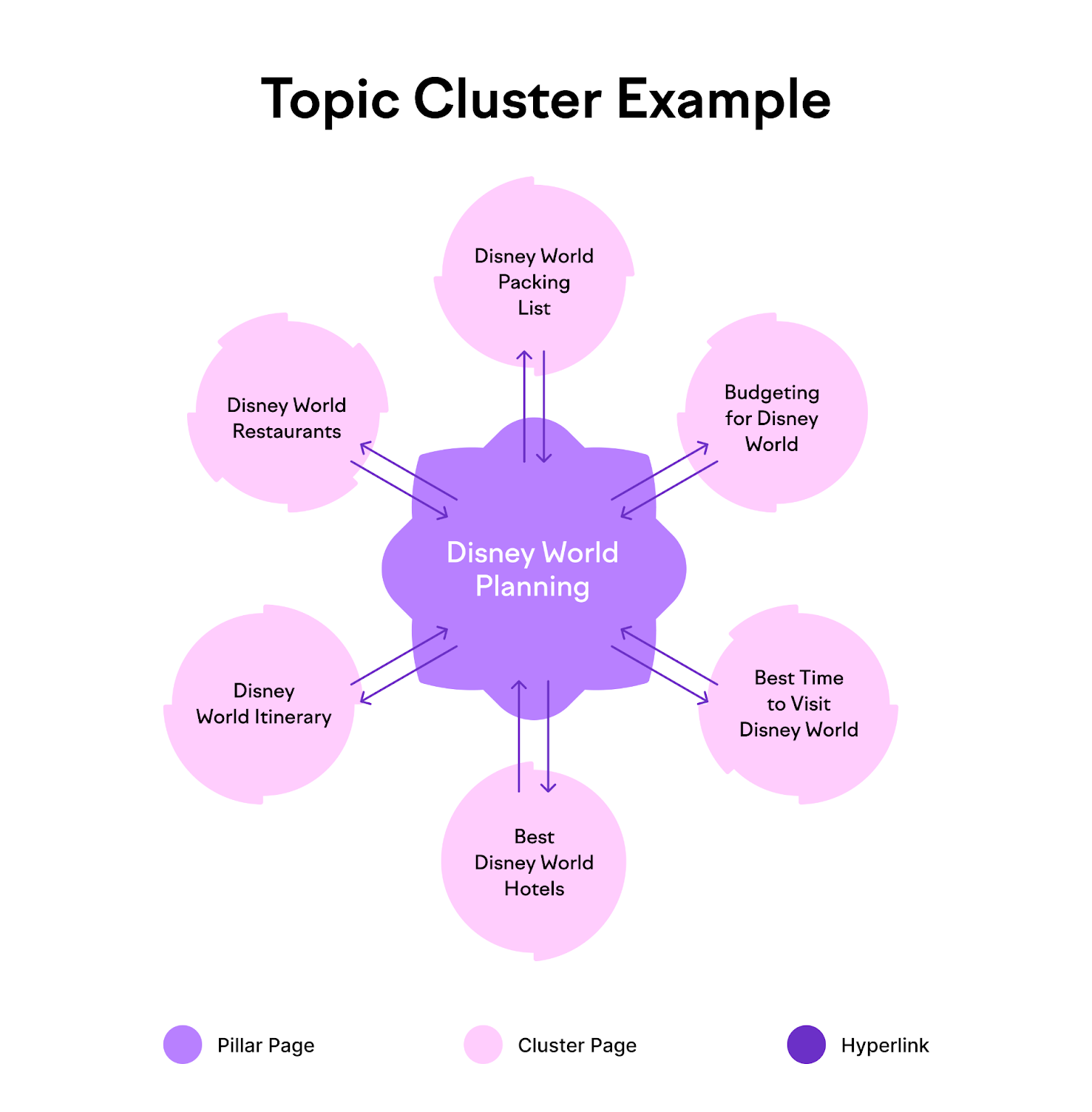
To dominate AI search, you need a structured content ecosystem.
Pillar Page
This page (GEO Master Guide)
Supporting Cluster Articles:
-
How to Optimize for Google AI Overviews
-
Schema Markup for AI Visibility
-
AI Citation Gap Analysis Guide
-
E-E-A-T for LLM Ranking
-
Technical SEO for AI Crawlers
This creates topical authority that AI models recognize.
Real-World Example
Before GEO:
-
Ranking #3 for competitive keyword
-
Not cited in AI Overview
-
Organic CTR declining
After implementing:
-
Structured 50-word answers
-
FAQ schema
-
Authority mentions
-
Fact-backed improvements
Result:
-
Brand cited in AI Overview summary
-
Increased brand searches
-
Higher trust perception
AI citation is the new position zero.
Is Your Website Ready for AI Search?
Ask yourself:
-
Are you being cited in Google AI Overviews?
-
Does your content provide direct structured answers?
-
Do you have verifiable authority signals?
-
Is schema properly implemented?
If not – you’re invisible to AI-driven search traffic.
Free AI Visibility Audit
At Mount Web Technologies, we help brands:
-
Identify AI citation gaps
-
Optimize for AI Overviews
-
Implement structured GEO frameworks
-
Build authority signals across the web
👉 Request a Free AI Citation Audit today and discover whether Google’s AI is using your content – or your competitors’.
Frequently Asked Questions About GEO
Is Generative Engine Optimization replacing SEO?
No. GEO is an evolution of SEO. Traditional SEO ensures crawlability and ranking, while GEO ensures your content is selected and cited inside AI-generated answers.
How long does it take to appear in AI Overviews?
It depends on authority level, content quality, and technical optimization. Established domains may see results faster, while newer domains require authority building.
Does schema markup help with AI visibility?
Yes. FAQ, Article, and Organization schema improve machine readability and clarify context for AI systems, increasing the probability of citation.
Can small businesses rank in AI Overviews?
Yes. AI prioritizes answer quality and structure over brand size. Smaller websites with highly focused, semantically complete content can outperform large domains.
How do I check if my brand is cited in AI results?
Search target queries in Google and observe AI Overviews. You can also test queries inside AI tools like ChatGPT and Perplexity to monitor brand mentions.