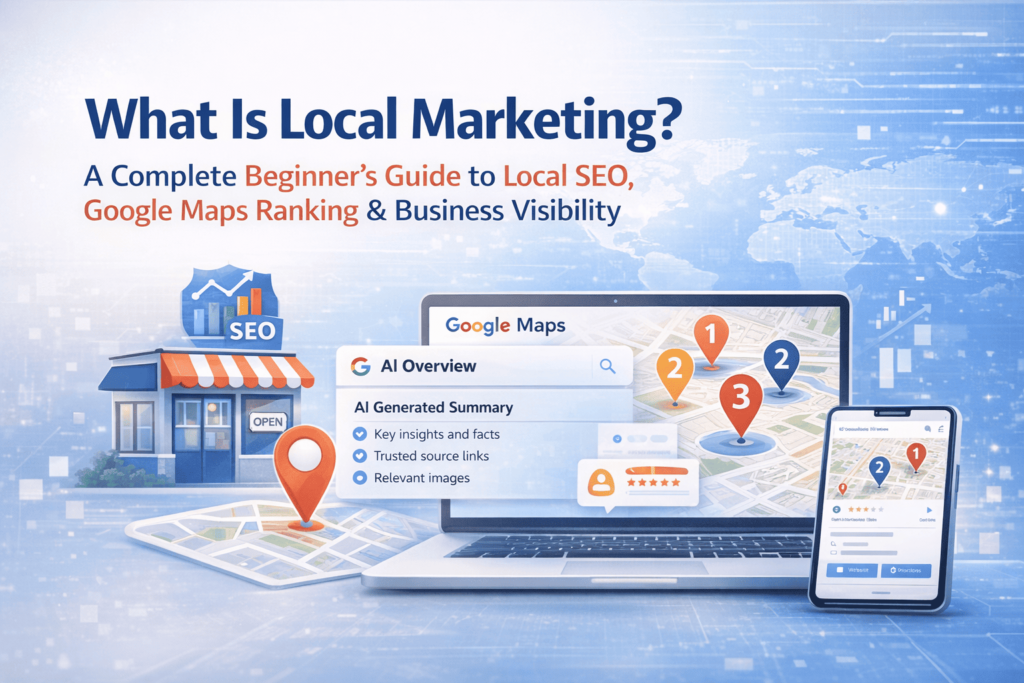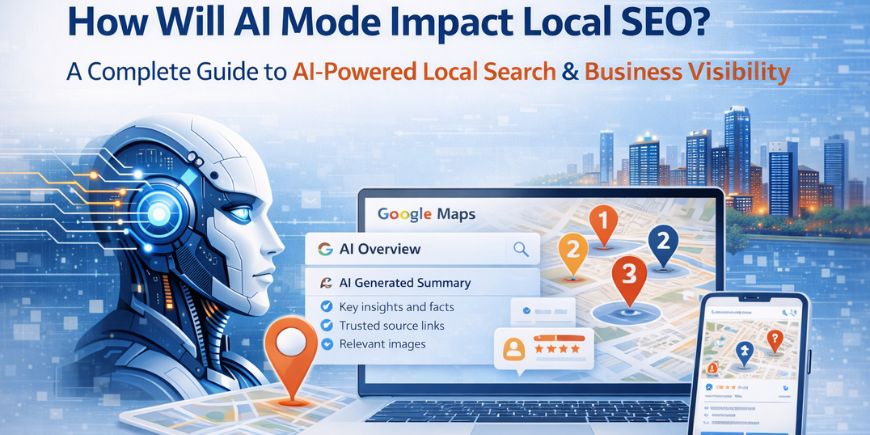
Local search is no longer predictable, and businesses relying on outdated tactics feel it first. Modern local seo services now focus on intent, proximity, and trust rather than keyword tricks. Google rewards brands that meet real local needs. It also values clear signals from profiles, pages, and user interactions.
That shift is driven by how people search today. Google and Ipsos report that 46% of searches have local intent, often tied to immediate decisions on mobile. AI-powered results now show trusted businesses right in Maps and summaries. This leaves little space for brands that lack strong local relevance.
This makes understanding local SEO in 2026 essential, not optional. The factors that influence visibility now combine AI interpretation, real user behaviour, and credibility signals. This guide explains the changes, what matters most, and how businesses can compete in local packs, organic results, and AI-driven search experiences.
What Is Local SEO and What Has Changed in 2026
Local SEO is the practice of optimising your online presence so your business appears when people search for products or services in a specific location. Local SEO is different from traditional SEO. Instead of aiming for wide national or global rankings, it targets nearby searches. These include high-intent queries like “near me” or searches linked to a specific city or area. Here, customers are ready to take action.
Local SEO is not just about stuffing a city name into a title any more. Three big shifts define 2026.
- AI-driven answers sit above classic results: Google AI Overviews and other answer engines now summarise local options directly in the result. They lean on trustworthy brands with accurate profiles, strong reviews, and clear local content.
- Local intent is stronger & more urgent: Multiple studies show that around 76% of people who run a local search on a smartphone visit a business within 24 hours, and roughly 28% of those visits lead to a purchase. That means your visibility for local terms is directly linked to revenue, not vanity traffic.
- Behaviour & trust signals matter as much as keywords: Google now looks carefully at how users interact with your listing. Clicks, calls, direction requests, repeat brand searches, and time on site all help it decide which business deserves to stay at the top.
In short, the best local SEO services in 2026 return reliable, consistent businesses that provide clear information and good experiences. Shortcuts do not last.
Key Local SEO Ranking Factors in 2026
1. AI Driven Search Relevance
Search engines now rely on artificial intelligence to interpret intent, urgency, and context rather than matching exact keywords. Businesses should clearly state what they offer, who their customers are, and when they’re available. This helps match real search habits and decision-making.
This is where local seo services have evolved significantly. Clear service descriptions, correct categories, and focused content help AI systems show businesses in Maps, organic listings, and AI-generated answers. This way, they don’t depend on old optimization tactics.
2. Proximity and User Behaviour Signals
Location still plays a role, but proximity alone no longer guarantees visibility. Google now observes how users interact with nearby listings, including clicks, calls, and direction requests, to determine which businesses are genuinely preferred within the same area.
Strong engagement signals indicate relevance and quality. When users consistently choose one business over others nearby, search engines learn to prioritise it, improving rankings across local packs and AI assisted results over time.
3. Reviews and Reputation Signals
Customer reviews directly influence trust and ranking. Google looks at review volume, recency, star ratings, and written feedback. This helps them understand real customer experiences and service reliability in various places and industries.
Equally important is how businesses respond. Timely and professional responses show that management is active and accountable. This helps potential customers and search engines see the brand as credible and dependable.
4. Local Backlinks and Citations
Local backlinks and citations still matter in 2026, but their role has shifted from volume to accuracy and relevance. Recent local ranking factor studies show citation signals influence around 6 to 7% of local pack and organic results. Yet, they remain essential because consistent business details support trust and AI-driven visibility. Effective local SEO now centers on these key actions:
- Claim and correct listings on major platforms.
- Use one standard NAP format everywhere.
- Earn genuine local links by getting involved in the community.
A clean citation base plus a few strong local backlinks proves real-world activity and long-term credibility.
5. On Page Local SEO Signals
On-page optimization in 2026 focuses on answering real user questions and providing clarity for both humans and AI. This means going past keyword stuffing. Instead, focus on creating content with a clear purpose. Make sure it matches the local search language and defines your audience. Dedicated location and service pages are essential for outlining who you serve, what you do, and the expected outcome.
This clarity comes from structured data, such as LocalBusiness, FAQ, and Review Schema. It also relies on consistent NAP (Name, Address, Phone) details. Content should be structured with simple, direct paragraphs and clear headings to suit answer engines. Utilize internal links strategically to guide users and crawlers between services, locations, and blog content.
6. Local Content Depth and Topical Coverage
Search engines favour businesses that demonstrate real expertise within their local market. Content that answers location specific questions and explains services in practical terms helps establish topical authority and relevance.
Well structured local content also supports conversational and voice searches. Clear explanations help AI systems understand and respond better to spoken queries. This is why businesses gain from the best local SEO services that focus on clarity and user intent.
7. Brand Trust and Credibility Signals
Trust has become a core ranking driver. Search engines look for signals such as secure websites, transparent contact details, consistent branding, and third party mentions that indicate a legitimate, active business.
Strong credibility supports long term visibility. Businesses that use the best local SEO services usually do better on Maps, in organic listings, and in AI results. This is because trust signals build up over time instead of resetting with each update.
Google Business Profile Signals Remain the Number One Local Ranking Factor
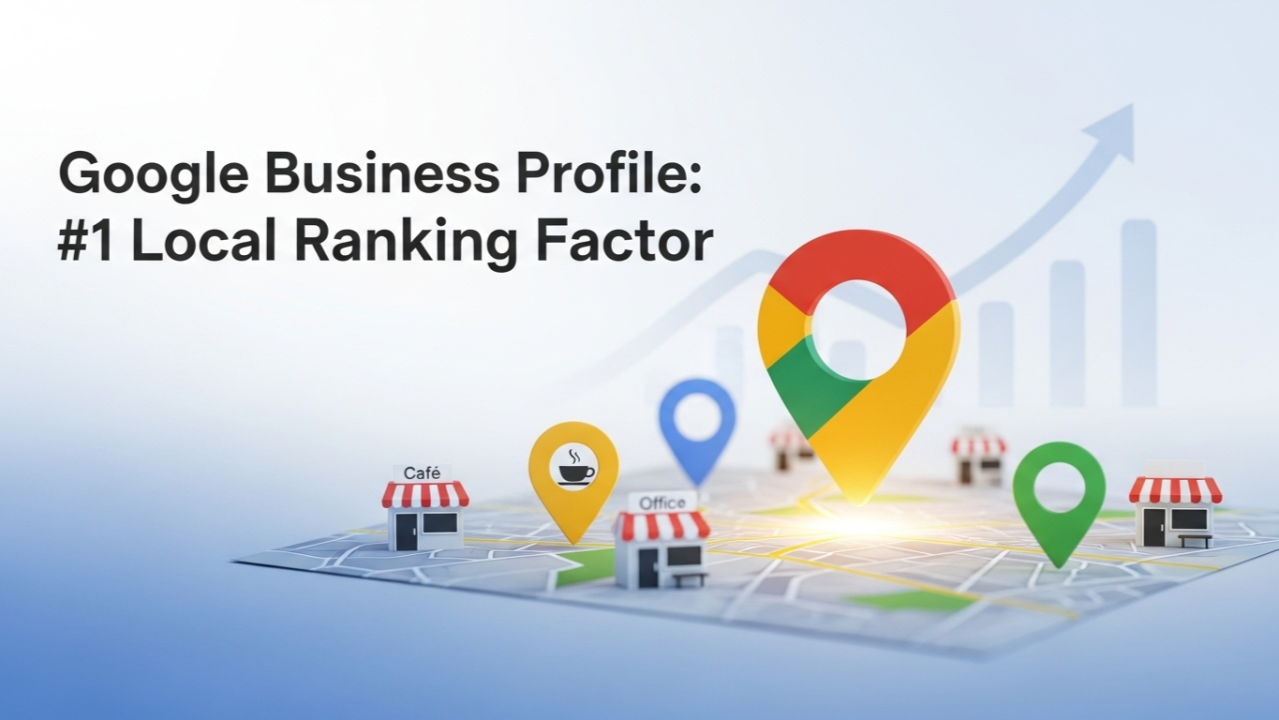
Your Google Business Profile is now your real local home page. For many people, this is the only thing they see before calling or visiting.
Recent analysis of the 2026 Local Search Ranking Factors report shows that Google Business Profile signals account for about 32% of local pack influence, and in many cases eight of the top ten factors come directly from the profile itself.
To send strong signals you should:
- Use a precise primary category and relevant secondary categories
- Keep hours accurate and update them before holidays
- Add service descriptions and pricing ranges where relevant
- Upload real photos of the location, team and work, not generic stock
- Answer questions and use the Q and A section properly
- Use posts to highlight events, offers and updates each week
Struggling to stay visible in local search results? With local SEO ranking factors handled by Mount Web Technologies, we use AI powered SEO technology to deeply optimise your Google Business Profile for higher Maps visibility and stronger AI driven search performance.
AI and Voice Search Optimisation for Local Discovery
AI and voice search are reshaping how people discover local businesses, especially on mobile devices. Users now speak in natural, conversational phrases, expecting instant and accurate answers. So, you must:
- Include natural question style headings and answers, especially in FAQs
- Cover phrases like “near me”, “open now”, “best” and “in city name” in a way that feels natural
- Give short answers first, then add extra detail in the next lines
- Keep your Google Business Profile hours and services updated so AI agents trust the data they read
- Ensure mobile speed and usability support instant local search actions
Many stats show that about three-quarters of local mobile searches result in a store visit or call within 24 hours. This means voice optimisation directly boosts revenue, not just visibility.
If you want to rank on top in local SEO in India, get in touch with Mount Web Technologies to build AI-ready, location-focused visibility that drives results.
Why Local SEO is Now a Trust First System Not Keyword First
Older local SEO tactics tried to trick algorithms with keyword heavy titles, fake locations or low quality citations. Those patterns are easier for AI systems to spot now.
In 2026, Google looks for clear signs that you are a real, reliable business:
- Secure site with visible contact details and privacy policy
- Consistent NAP details across the web
- Real photos and reviews that match the services you claim
- Reasonable rating spread, not only perfect five star scores
- Active replies to reviews, questions and messages
- Third party mentions from local media, partners or associations
If your site and profiles send strong trust signals, your keywords do not need to be forced. Search engines can see you as the safer choice among similar options, which is exactly where local seo services should aim to position you.
How to Track Local SEO Performance in 2026
If you do not measure, you are guessing. Local SEO gives enough data to know what is working. Key metrics to track include:
- Views, clicks, calls and direction requests inside Google Business Profile
- Map impressions and discovery versus branded searches
- Organic traffic from target cities or areas
- Rankings for priority local terms across mobile, desktop and AI views
- Review volume, rating trend and response time
- Form submissions, chat enquiries and call logs from local visitors
Use a simple monthly scorecard rather than a cluttered report. If you hire local seo services, insist on tracking that links activity to leads or revenue, not just rankings.
Conclusion
Local search in 2026 is more intelligent and more demanding, but also more rewarding for honest, well-run businesses. You must focus on accurate information, real customer feedback, helpful content, and a smooth mobile experience. This builds a strong foundation that Google and AI agents can trust. Those are precisely the signals that keep your business visible in Maps, organic listings, and AI Overviews while weaker competitors fade.
If you want expert support with the heavy lifting, connect with Mount Web Technologies to build a clear local SEO plan that improves visibility, attracts qualified leads, and increases revenue from nearby customers. Book your free strategy session today to understand exactly what your business needs to grow locally in 2026.
Frequently Asked Questions
How long does local SEO take to show real results?
Most businesses start to see movement in three to six months if they fix profiles, reviews, on page content and citations consistently. Strong gains in calls and visits usually appear between six and twelve months.
What is the single most important ranking factor for local search in 2026?
Google Business Profile remains the top influence on map and local pack visibility, especially correct categories, hours, photos and recent reviews. Other factors matter, but an incomplete or neglected profile will hold you back.
How many reviews do I need for better local rankings?
There’s no magic number, but businesses with forty to fifty recent reviews and an average rating above four stars often do better than those with just a few. The pattern of steady new reviews is more important than chasing a target count.
Do I really need separate pages for each location?
Separate location pages help search engines know the cities or areas you serve. This way, they can show your business for the right queries. Each page should contain local details, services, landmarks and contact information for that area.
Can small businesses compete with big brands in local SEO?
Yes. Local results are heavily influenced by proximity, relevance and real world trust signals. A small business with a strong profile, good reviews and useful local content can outrank national chains that neglect their local presence.