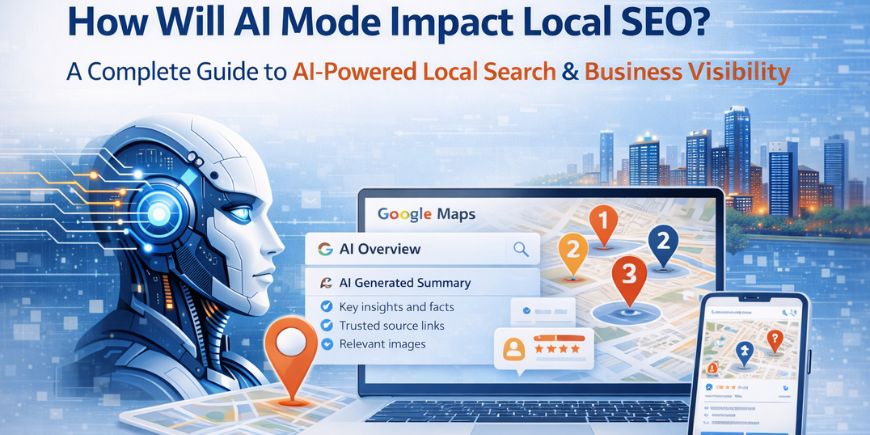
How Will AI Mode Impact Local SEO?

How Will AI Mode Impact Local SEO?

Quick Summary Google AI Mode allows users to interact with search in a conversational way, where the system evaluates businesses using multiple background queries instead of simply listing blue links. AI-powered search reduces traditional website clicks by summarizing and citing trusted sources directly, increasing zero-click searches and shifting visibility from rankings to entity authority. Local SEO in 2026 prioritizes sentiment analysis, entity-based verification, Google Maps ranking signals, and structured data over keyword stuffing or simple star ratings. Real-world AI search impact includes hyper-local proximity filtering, review context extraction, real-time service validation, and semantic intent matching. To adapt, businesses must strengthen their digital footprint, implement advanced schema markup, maintain consistent NAP data, optimize Google Business Profile regularly, and build strong E-E-A-T signals. Partner with Mount Web Technologies, a forward-thinking local SEO company, to align your business with Google AI Mode and secure measurable local growth. 📞 Book Free Consultation Search in 2026 looks very different from what most businesses optimized for five years ago. Industry data cited by Statista shows AI generated results and Overviews now appear in more than half of Google searches, changing how users discover brands and compare local SEO services. Google AI Mode is reshaping how results are evaluated, displayed, and recommended. Traditional rankings still matter, but visibility now depends on credibility, structure, and context. If your local SEO optimization strategy does not adapt, even the best local SEO services may struggle to convert impressions into clicks. Let’s get started with the definition! What Is Google AI Mode & How Does It Work? Google AI Mode goes beyond showing a list of blue links. It analyzes intent, cross checks data, and produces summarized responses. It behaves less like a search engine and more like a research assistant. The Mechanism of Agentic Search The Fan Out Logic: AI Mode issues multiple layered queries behind the scenes. Instead of checking one keyword, it evaluates related questions such as reputation, proximity, authority, pricing transparency, and service reliability. This multi query logic validates whether your business deserves to be recommended. The Citation Engine: Instead of showing ads, AI Mode constructs a research-style summary. If your business isn’t cited as a source, you don’t exist in that search session. Agentic Search: AI acts on behalf of the user. It filters options, evaluates reviews, and narrows down recommendations. For a local SEO agency or local SEO company, this means authority signals matter more than keyword repetition. Mathematical Meaning: Through vector embeddings, Google matches the intent of your service to the user’s problem, rather than just matching the words on your page. The New Search Reality: Google AI Mode vs. AI Overviews The evolution of search has bifurcated into two distinct experiences. Understanding the nuance between a summary and an assistant is critical for any local SEO agency aiming to maintain visibility in 2026. Google AI Mode: This is a chat-based interface. Users can ask follow-up questions and interact with a digital assistant. It helps refine complex local search needs. AI Overviews: These are AI-generated summaries that show at the top of search results. They highlight key information and cite web sources to answer questions quickly. Key Differences: AI Mode vs. AI Overviews To succeed in local search optimization, you must understand how your data is being used in these two different environments. Feature Google AI Mode AI Overviews (SGE) User Intent Deep research and task execution. Quick answers and fact-checking. Interaction Conversational; remembers past prompts. Static; refreshes per individual search. Visibility High-intent “Entity” citations only. Mix of AI text and traditional links. Local Impact Acts as a concierge (e.g., “Book this”). Acts as a summary (e.g., “Top 3 rated”). CTR Potential Extremely low (Zero-click focus). Moderate (Links are still present). Your Strategy Be the most “Trusted Entity” in your area. Be the most “Fact-Dense” source of info. According to 2026 marketing data from Statista, roughly 34.5% of users no longer click on websites because the AI gives them the answer directly. This makes “Brand Authority” more important than ever. Google’s AI doesn’t just look at your website; it looks at your entire digital footprint. When it sees high-authority signals, it views your business as a real, popular, and verified entity. In the AI era, being “talked about” on social media is just as important as having a fast website. How AI Mode Impacts Local SEO In 2026, Google AI Mode filters businesses based on real-world trust rather than just metadata. This shift changes local seo ranking factors from simple keyword matching to complex entity verification. 1. The Hyper-Local Proximity Filter Google now uses “Agentic Search” to narrow down options by combining user intent with real-time transit data. To rank higher on Google, your business must be physically accessible within the user’s specific time-frame and travel route. Real-Time Logistics: AI calculates the exact travel time from the user’s GPS to your door. Intent Mapping: Distinguishes between “browsing” and “urgent need” (e.g., an emergency plumber). Transit Integration: Uses live traffic data to determine if you are a viable choice right now. Dynamic Radius: The search area expands or shrinks based on the density of local competitors. 2. Sentiment Analysis Over Star Ratings A high star rating is no longer enough for the best local SEO company to promise results. AI Overviews now analyze the emotional tone and specific nouns within your reviews to determine if you truly solve the user’s problem. Noun Extraction: AI identifies specific services mentioned in reviews, like “fast drainage repair.” Emotional Weighting: Prioritizes businesses with “highly satisfied” language over generic “good” ratings. Conflict Resolution: Analyzes how you respond to negative feedback to measure reliability. The “Why” Factor: Summarizes reviews into a single sentence for the user (e.g., “People love their pricing but mention long wait times”). 3. Entity-Based Verification Google confirms your physical existence through third-party data “Fan-Out” queries. This is the core of modern E-E-A-T signals, ensuring that a business isn’t just a “ghost” profile but a verified local authority. Digital Footprint Cross-Check: AI vets your info across 16+
Local Marketing & Local SEO

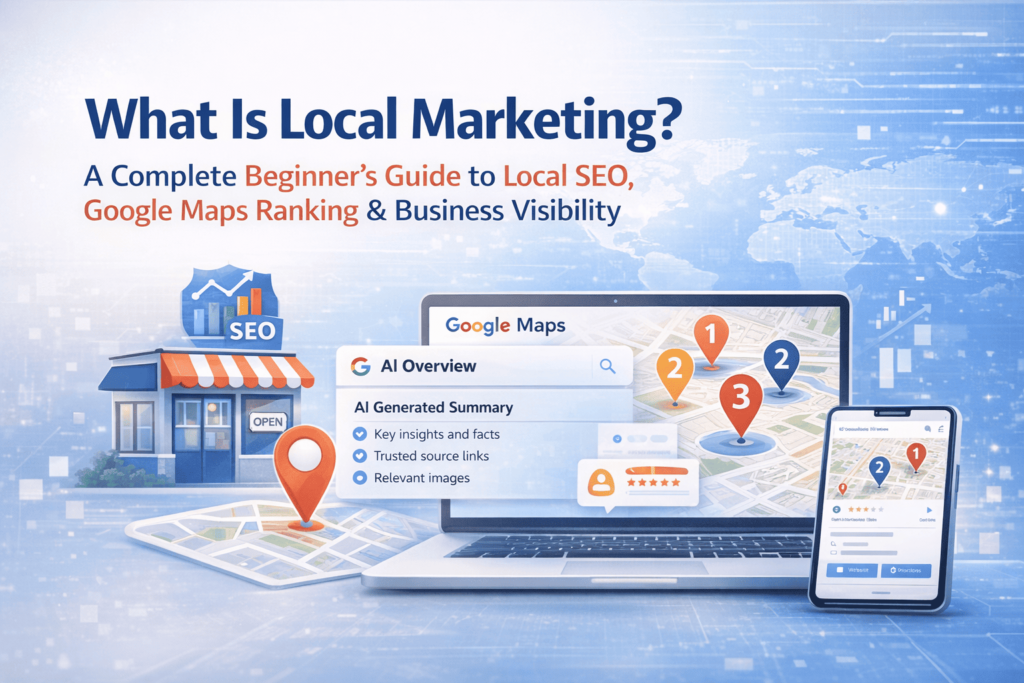
What Is Local Marketing? A Complete Beginner’s Guide to Local SEO, Google Maps Ranking & Business Visibility

In today’s digital world, most customers search online before visiting a store, booking a service, or calling a business. When someone searches: “Dentist near me” “Best restaurant in Chicago” “Plumber in London” “Marketing agency near me” Google shows local results first – especially Google Maps listings. If your business does not appear there, you are losing potential customers every day. This is where local marketing and local SEO become essential. In this complete beginner guide, you will learn: What local marketing is What local SEO means How Google Maps ranking works What Google Business Profile is How to optimize your profile What local citations are What NAP consistency means How online reviews impact rankings Let’s start from the foundation. What Is Local Marketing? Local marketing is a strategy focused on promoting a business to customers in a specific geographic area. Unlike national or global marketing, local marketing targets: A city A region A neighborhood A defined service area For example: A bakery targeting customers within 10 km A law firm serving one city A gym targeting nearby residents A digital marketing agency targeting local businesses Local marketing includes both online and offline methods, such as: Local SEO Google Maps optimization Community engagement Local advertising Review management Today, digital local marketing is the most powerful way to reach nearby customers. Why Local Marketing Is Important for Small Businesses Local marketing is powerful because it connects businesses with high-intent customers. 1. Higher Purchase Intent People searching locally are usually ready to take action. Example: “Emergency electrician near me” shows urgent intent. 2. Less Competition Than Global SEO Ranking locally is often easier than ranking nationally. 3. Higher Conversion Rates Local searches often lead to: Phone calls Direction requests In-store visits Appointment bookings 4. Stronger Community Trust Consistent visibility builds local credibility. For service-based businesses, local marketing can become the primary source of leads. What Is Local SEO and How Does It Work? Local SEO (Search Engine Optimization) is the process of optimizing your business so it appears in local search results and Google Maps. When someone searches for a service in a specific location, Google shows: Paid ads Local Pack (Google Maps listings) Organic website results Local SEO helps your business rank in both the Local Pack and organic local results. Google uses three primary ranking factors: Relevance How closely your business matches the search query. Distance How close your business is to the searcher. Prominence How well-known and trusted your business is online. Prominence is influenced by: Reviews Citations Backlinks Website authority Online mentions How Small Businesses Can Rank on Google Maps Ranking on Google Maps requires consistent optimization. Here is a step-by-step process: Step 1: Create and Verify Your Google Business Profile This is the foundation of local SEO. Without a verified profile, you cannot rank in Google Maps. Step 2: Complete Every Section of Your Profile Fill in: Business name Address Phone number Website Business hours Services Description Categories Incomplete profiles rank poorly. Step 3: Use Location-Based Keywords Include relevant local keywords naturally in your: Business description Services section Posts Example: “Local SEO agency in Toronto helping small businesses grow.” Step 4: Add High-Quality Photos Businesses with photos receive more clicks and engagement. Add: Exterior images Interior photos Team photos Service images Update photos regularly. Step 5: Collect Genuine Reviews Reviews are one of the strongest ranking factors. Encourage satisfied customers to leave honest feedback. Always respond professionally to both positive and negative reviews. Step 6: Maintain Consistent NAP Information Your Name, Address, and Phone number must be identical across all online platforms. This builds trust with search engines. What Is Google Business Profile? Google Business Profile (formerly Google My Business) is a free tool that allows businesses to manage their presence on Google Search and Google Maps. It displays: Business name Address Phone number Website link Operating hours Reviews Photos Services It acts as your digital storefront on Google. An optimized profile can drive the following: Calls Website visits Direction requests Messages How to Optimize Google Business Profile Here is a practical optimization checklist: Choose the Correct Primary Category Your primary category significantly impacts rankings. Add Secondary Categories This increases visibility for related searches. Write an Optimized Description Include: What you do Who you serve Your location Unique benefits Post Weekly Updates Share: Tips Offers Announcements Add Detailed Service Listings Each service should have a short description. Enable Messaging Allow customers to contact you easily. Local SEO vs Traditional SEO Although both aim to improve search visibility, they differ significantly. Local SEO Traditional SEO Targets specific location Targets global or national audience Focuses on Google Maps Focuses on website rankings Requires Google Business Profile Not required Reviews strongly impact rankings Less impact Uses location keywords Uses broader keywords If your customers are local, local SEO should be your priority. What Are Local Citations? Local citations are online mentions of your business information. They usually include: Business Name Address Phone number Examples: Business directories Industry listing sites Local directories Social media platforms Citations help search engines verify your business legitimacy. Accurate citations strengthen local ranking signals. What Is NAP Consistency? NAP stands for: NameAddressPhone Number NAP consistency means your business details must be exactly the same across all platforms. Even small differences can reduce trust signals. Example: Website:123 Main Street Directory:123 Main St. Search engines may treat these differently. Consistency improves ranking stability. How Online Reviews Impact Local Rankings Online reviews play a critical role in local SEO. Google considers: Number of reviews Frequency of new reviews Star rating Keywords used in reviews Owner responses Reviews impact rankings because they: Build customer trust Increase click-through rates Strengthen prominence signals Encourage authentic reviews and respond consistently. Common Local SEO Mistakes to Avoid Avoid these common errors: Ignoring profile optimization Using inconsistent NAP information Buying fake reviews Keyword stuffing Not updating business hours Ignoring negative feedback Local SEO rewards authenticity and consistency. How Long Does Local SEO Take? Local SEO is not instant. Typical timeline: Month 1:Setup and optimization. Month

Google AI Overviews in 2026

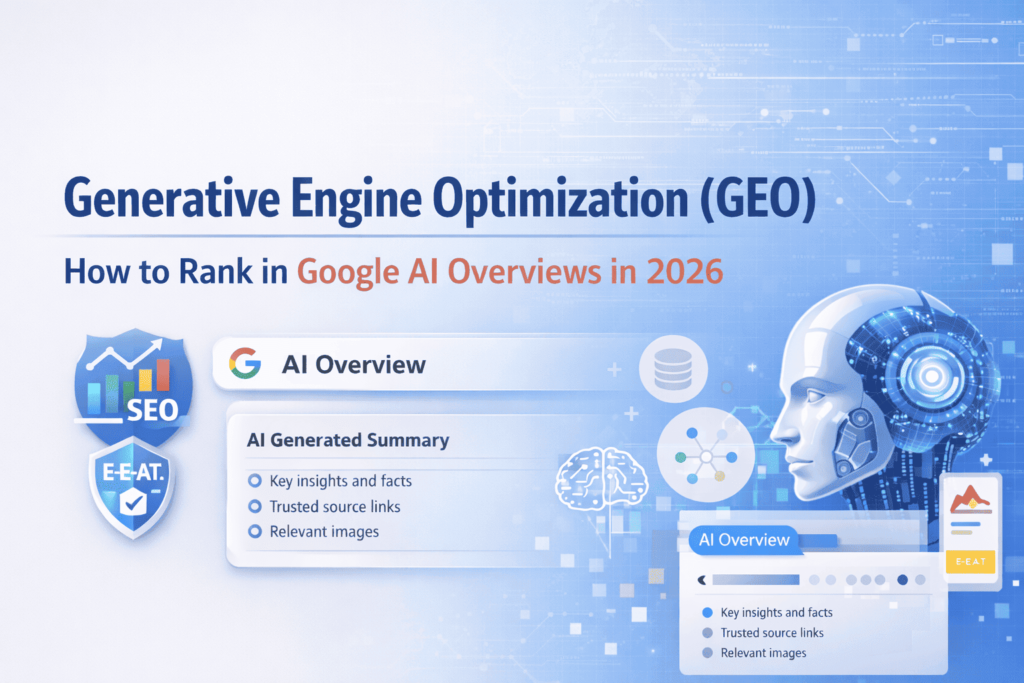
Generative Engine Optimization (GEO) | How to Rank in 2026

Google AI Overviews (AIO) has grown from an experimental search tool to the main way to get around the web. It marks the biggest change in how people search since the algorithm was first released, bringing the Era of Ten Blue Links to an end. For global businesses trying to capture online traffic in 2026, standard search engine optimization is no longer enough. Today, search engines do not just retrieve information-they synthesize it. When a user asks a complex question, Google’s AI Overviews, ChatGPT, and Perplexity generate a direct, conversational answer, pulling data from a select few highly trusted sources. If your brand is not among those cited sources, you are invisible to a massive segment of your target audience. To win in this new landscape, businesses must pivot to Generative Engine Optimization (GEO). Here is your complete guide to mastering AI search ranking in 2026. What Is Generative Engine Optimization (GEO)? Generative Engine Optimization (GEO) is the process of structuring, validating, and enhancing website content so AI systems like Google AI Overviews, ChatGPT, and Perplexity select, summarize, and cite your brand in generated answers. Unlike traditional SEO, GEO focuses on semantic completeness, authority signals, structured data, and AI-readable formatting. Why Traditional SEO Is No Longer Enough? Search has evolved. Instead of showing ten blue links, Google now delivers AI-generated summaries at the top of results. These summaries: Pull from a limited set of trusted domains Reduce traditional click-through rates Prioritize authoritative, structured content If your brand is not cited inside AI-generated answers, you lose visibility — even if you rank #1 organically. This is why GEO is now the next evolution of SEO. How Google AI Overviews Select Sources Google’s AI systems evaluate content differently from traditional ranking algorithms. To be cited, your page must demonstrate: Semantic Completeness Your page must fully answer the query without forcing AI to gather information from multiple sources. Fact Density AI systems prefer: Statistics Verifiable data Specific numbers Research-backed statements This reduces hallucination risk. Structural Clarity AI parses: Bullet points Numbered lists Comparison tables Direct definitions under headings Walls of text are ignored. E-E-A-T Signals Experience, Expertise, Authoritativeness, Trustworthiness remain foundational. AI favors: Expert authors Branded entities Consistent web mentions Transparent credentials GEO vs Traditional SEO (Comparison Table) Factor Traditional SEO Generative Engine Optimization (GEO) Goal Rank in SERPs Get cited in AI answers Focus Keywords & backlinks Semantic authority & structured clarity Content Style Optimized for bots Optimized for LLM extraction Success Metric Rankings AI citations & brand mentions Technical Need Crawlability Crawlability + AI readability 4 Proven GEO Strategies to Rank in AI Overviews 1. Structure Content for AI Extraction AI models consume structured answer blocks first. Best Practices: Add a 40–60 word direct answer after every H2 Use bullet lists heavily Avoid hidden accordion-only content Use short paragraphs (2–3 lines max) 2. Build Citation-Worthy Authority AI verifies your credibility beyond your website. You must: Get brand mentions on trusted platforms Publish expert-driven insights Maintain consistent messaging across the web Show real case studies Authority is pattern recognition across the internet. 3. Close Your AI Citation Gaps Most websites fail because they don’t analyze what AI is already citing. You should: Prompt AI tools with your target queries Identify competitor citations Create better structured answers Fill topical gaps with high-confidence content This is how you systematically increase citation probability. 4. Fix Technical AI Barriers Even strong content fails if AI bots cannot read it. Technical Checklist: Ensure robots.txt allows AI crawlers Hard-code critical answers in HTML Implement FAQ, Article, and Organization schema Optimize page speed Ensure mobile-first rendering GEO Content Framework (Pillar Strategy) To dominate AI search, you need a structured content ecosystem. Pillar Page This page (GEO Master Guide) Supporting Cluster Articles: How to Optimize for Google AI Overviews Schema Markup for AI Visibility AI Citation Gap Analysis Guide E-E-A-T for LLM Ranking Technical SEO for AI Crawlers This creates topical authority that AI models recognize. Real-World Example Before GEO: Ranking #3 for competitive keyword Not cited in AI Overview Organic CTR declining After implementing: Structured 50-word answers FAQ schema Authority mentions Fact-backed improvements Result: Brand cited in AI Overview summary Increased brand searches Higher trust perception AI citation is the new position zero. Is Your Website Ready for AI Search? Ask yourself: Are you being cited in Google AI Overviews? Does your content provide direct structured answers? Do you have verifiable authority signals? Is schema properly implemented? If not – you’re invisible to AI-driven search traffic. Free AI Visibility Audit At Mount Web Technologies, we help brands: Identify AI citation gaps Optimize for AI Overviews Implement structured GEO frameworks Build authority signals across the web 👉 Request a Free AI Citation Audit today and discover whether Google’s AI is using your content – or your competitors’. Frequently Asked Questions About GEO Q1. Is Generative Engine Optimization replacing SEO? No. GEO is an evolution of SEO. Traditional SEO ensures crawlability and ranking, while GEO ensures your content is selected and cited inside AI-generated answers. Q2. How long does it take to appear in AI Overviews? It depends on authority level, content quality, and technical optimization. Established domains may see results faster, while newer domains require authority building. Q3. Does schema markup help with AI visibility? Yes. FAQ, Article, and Organization schema improve machine readability and clarify context for AI systems, increasing the probability of citation. Q4. Can small businesses rank in AI Overviews? Yes. AI prioritizes answer quality and structure over brand size. Smaller websites with highly focused, semantically complete content can outperform large domains. Q5. How do I check if my brand is cited in AI results? Search target queries in Google and observe AI Overviews. You can also test queries inside AI tools like ChatGPT and Perplexity to monitor brand mentions.

Smart Bidding Strategies

Smart Bidding Strategies That Win in Google Ads 2026

In 2026, Google Ads Management success is no longer about who spends more. It is about who feeds the system the right signals at the right time. Smart Bidding has matured, but it has also exposed weak strategies faster than ever. Many advertisers still fail because they turn on automation before their campaigns are ready. This guide shows how Smart Bidding works in 2026. It explains when to use it, when to avoid it, and how businesses in India can grow profitably with discipline and structure. If you rely on guesswork or switch bidding strategies too early, Google’s AI will amplify those mistakes. If you build the right foundation, Smart Bidding becomes a growth engine. This is the difference between random results and predictable performance. How Smart Bidding Works in Google Ads Management in 2026 Smart Bidding adjusts bids in real time based on conversion probability, value signals, and user intent, not just keywords or clicks. Google now evaluates hundreds of signals at auction time. These include device behavior, location context, search history patterns, and intent strength. What has not changed is this: the system still depends entirely on the quality and stability of your data.  What Google’s bidding AI actually optimizes Google’s AI, now integrated with Gemini-driven intent models, looks at hundreds of auction-time signals: User Intent Depth: Is the user just browsing or ready to buy? Contextual Signals: Location, time, device, and even recent search journey patterns. Conversion Probability: The likelihood of a specific user completing your goal at that exact moment. Why “automation” fails without structure Automation is a multiplier; if you feed it poor data, it multiplies your waste. Adopting early without a 30-day data baseline can trigger the “learning phase death spiral.” In this situation, the AI lowers bids since it isn’t confident enough to spend.  The New Rules of Google Ads Smart Bidding in 2026 Google has added visibility and controls, but fundamentals still decide performance. The “Black Box” era is ending, replaced by “Guided Automation.”  Search Campaigns Remain The Priority Search is still the most reliable revenue channel. Before expanding into new formats, advertisers must master search intent. Shopping campaigns are now effectively search campaigns driven by product feeds. Without clean feeds and strong search demand, Smart Bidding struggles. A critical update many ignore is Search Partners. For most advertisers, especially in lead generation, Search Partners dilute traffic quality. Disabling them protects data integrity. Performance Max Is No Longer Blind Automation Performance Max now offers more transparency, providing access to search terms, channel-level insights, and negative keywords. This shift means PMax rewards active Google Ads management that guides the AI, rather than letting it run unattended, ensuring your budget aligns with high-intent signals for maximum ROI.  Demand Gen’s Real Role In The Funnel Demand Gen works best at the top of the funnel, introducing brands to cold audiences before intent exists. In early stages, using Maximize Clicks helps train audiences and signals faster. Once engagement data builds, these users convert more efficiently through Search and Smart Bidding campaigns.  Best Smart Bidding Strategies for Google Ads in 2026 The best strategy depends on your business model, not trends. 1. Target CPA for lead generation campaigns Target CPA (tCPA) is the gold standard for service-based businesses like clinics and professional firms where lead volume is the primary goal. By setting a specific cost-per-acquisition target, you allow Google’s AI to prioritize auctions with the highest conversion probability while maintaining strict budget discipline. Service Providers: Ideal for businesses with fixed lead-to-sale margins. High-Intent Traffic: Works best on Search campaigns targeting “near me” or “urgent” keywords. Clinics: Ensures patient acquisition costs stay within profitable limits. To succeed, ensure your target is based on actual historical data. Setting an unrealistically low tCPA will restrict your reach and prevent the algorithm from finding high-quality prospects. 2. Target ROAS for eCommerce growth Target ROAS is ideal for scaling eCommerce profitably because it prioritizes revenue quality over raw sales volume. Within a structured Google Ads Management approach, it helps Google bid higher for users likely to place higher-value orders while reducing spend on low-margin purchases. This keeps growth controlled, predictable, and aligned with real business profit, not vanity metrics. Best for: Established eCommerce stores Stable product pricing Accurate conversion value tracking 3. Maximize Conversion Value This strategy uses advanced Smart Bidding strategies for Google Ads 2026 to prioritize total revenue over simple lead counts. By feeding Google’s AI-specific values ​​for different tasks like demo requests vs. direct sales, the system bids aggressively on high-ticket opportunities. This ensures your budget is spent where the financial impact is greatest rather than chasing low value clicks. Mixed Product Catalogs: Allocates spend dynamically to higher margin items. Offline Revenue Attribution: Imports CRM data to tell Google which leads actually closed. High Ticket Items: Ideal for luxury brands or B2B contracts with high lifetime value. Ready to shift from more leads to more revenue? Book a Google Ads strategy consultation with Mount Web Technologies and let our experts deliver Google advertising services powered by value based bidding that scales your bottom line. 4. Performance Max with new customer focus In 2026, this is a premier growth strategy for scaling without cannibalizing existing demand. It allows you to bid aggressively for first-time buyers while maintaining baseline efficiency for returning users, ensuring your budget drives genuine business expansion rather than just rewarding repeat visits. Brand Expansion: Effortlessly reaches untapped audiences across YouTube, Search, and Display. Pure Acquisition: Dedicated bidding logic focused solely on winning new market share. Zero Cannibalization: Smart exclusions prevent you from paying high premiums for customers who were already going to convert. 5. Portfolio bidding for consistency Portfolio strategies are required for 2026, allowing multiple campaigns to share the same learning pool. By grouping similar services or products, you provide AI with a larger data set, which significantly reduces performance volatility and speeds up the learning phase of the algorithm. Multi-location Businesses: Consolidates data from different branches to improve local bidding. Large Catalogs: Helps niche

Ecommerce Conversion Optimization

Why 90% of E-commerce Stores Fail to Convert (And How to Fix It in 2026)

Most e-commerce stores do not have a traffic problem. They have a conversion problem. In 2026, ecommerce marketing services are no longer about driving more visitors. They are about turning existing traffic into predictable revenue through clarity, trust, and intent-driven experiences. Shoppers today do not browse endlessly. They arrive informed, impatient, and guided by AI summaries before they ever click. If your store fails to answer questions instantly, build trust fast, and remove friction early, visitors leave silently and rarely return. This guide breaks down what actually improves conversions in 2026. No hacks. No jargon. Just proven principles that align with how Google AI, real users, and modern buying behavior work together. So, your store earns sales, not just sessions. What Conversion Optimization Means for E-Commerce in 2026 Conversion optimization in 2026 is not about changing button colors or adding urgency pop-ups. It is about reducing decision friction at every stage of the buying journey. Buyers want clarity, confidence, and speed. Anything that delays understanding reduces conversions. Modern conversion optimization focuses on: Clear value communication within seconds Trust signals visible before doubt appears Seamless experience across mobile, search, and checkout When visitors understand what you sell, why it matters, and why they can trust you, conversion becomes the natural outcome. Why Predictive Personalization is the Backbone of Ecommerce Marketing Services In 2026, personalization has moved from “suggested for you” to Predictive Intent Alignment. It is no longer enough to react to a user’s past behavior; you must anticipate their future needs in real-time. The AI Edge: Modern systems use “Ghost Carts” and biometric recognition to keep journeys fluid across devices. Segment of One: Top ecommerce marketing services now focus on hyper-local data, adjusting prices and inventory displays based on a user’s immediate environmental context (like weather or local events). The Connection: By aligning your store with these predictive models, you reduce the “Paradox of Choice,” leading to a 35% average increase in checkout completion. By analyzing real user behavior, AI uncovers friction points the moment they appear. Smart, behavior-triggered emails can recover up to 40% of abandoned sales by delivering timely, relevant incentives. Personalization matters. Nearly 80% of consumers prefer brands that tailor experiences, and brands that do this consistently can reduce churn by up to 20%. This is where Mount Web Technologies steps in as an expert partner. Our ecommerce marketing services turn behavioral data into precise actions that increase conversions, strengthen trust, and drive repeat revenue. If growth matters, it starts with understanding users and acting faster than competitors. How Google AI Mode Is Changing E-Commerce Buying Behavior Google AI Mode now answers buyer questions before users ever click a website. This fundamentally changes where trust is built. Your product pages are no longer the first impression. They are the confirmation layer where users decide whether to proceed or walk away. When content lacks clarity, authority, or real substance, AI systems simply do not surface it. And when depth is missing, buyers hesitate. In 2026, this means e-commerce brands must shift focus from selling to resolving intent quickly and clearly. To stay visible and convert AI-assisted shoppers, brands must ensure: Product descriptions answer real buyer questions within seconds Brand signals such as reviews, policies, and consistency are visible across all platforms Content reflects natural, conversational search language instead of keyword stuffing E-commerce stores that align with AI-led discovery attract higher-intent traffic. These visitors arrive pre-informed and closer to making a decision. They are far more likely to convert when the experience reinforces what AI has already suggested through effective ecommerce marketing services. Conversion Signals That Matter Most for E-Commerce Stores in 2026 1. Page Speed Impact Page speed directly shapes buying decisions in 2026. Mobile traffic dominates e-commerce, and slow-loading pages instantly erode trust. Speed is no longer a technical checkbox. It is a revenue driver. Fast, stable pages improve engagement, reduce bounce rates, and increase visibility in AI-led search experiences supported by strong ecommerce marketing services. Why load time matters: Conversion Friction: A mere one-second delay can result in a 7% drop in successful sales. Abandonment Risk: Over 53% of mobile users will bounce if a page takes longer than three seconds to load. AI Preference: Search engines now prioritize fast, stable pages, making speed a core component of effective e-commerce SEO services. To stay competitive, you must adopt next-gen formats like WebP or AVIF and implement CDN delivery to slash global latency. These optimizations ensure that your value proposition is seen instantly before the user loses interest. Ultimately, every millisecond saved is a direct investment in your bottom line. By prioritizing database optimization and server-side caching, you transform your storefront into a high-performance engine that converts casual clicks into confirmed revenue. 2. Trust and Authority Trust drives e-commerce decisions long before checkout begins. Buyers look for reassurance through reviews, transparent pricing, clear return policies, and visible contact details. When shoppers feel safe, they stop comparing and commit. This is where well-executed ecommerce marketing services help transform hesitation into confidence. By 2026, subtle trust signals outperform loud badges. Verified customer reviews with photos, clear shipping information, real-time social proof, and accessible live support quietly reinforce credibility. These elements signal reliability to both users and AI systems evaluating brand authority. Strong trust foundations also support ecommerce seo services by improving engagement, dwell time, and brand signals. When authority remains consistent on product pages, checkout flows, and brand content, conversions go up. This helps build long-term loyalty, too. 3. Product Page Optimization  The most important conversion elements for an e-commerce store exist on product pages. The digital salespeople help buyers from their first interest until they make a purchase decision. The 2026 requirement states that all webpage elements must eliminate user doubt while delivering instant answers and demonstrating value to users without causing them to feel overwhelmed.  Essential product page elements High-quality images with at least five angles and zoom functionality 360-degree views for complex or premium products Product videos that demonstrate real usage and increase engagement Clear

Advanced SEO in 2026

Advanced SEO in 2026: How to Rank on Google Faster

SEO in 2026 is no longer about publishing more pages or chasing keywords. Google now ranks brands, expertise, and clarity. If rankings feel stuck despite effort, the issue is usually alignment, not activity, making it crucial to invest in the best seo services available. Recent data indicates a significant shift. By 2026, around 60% of searches yield “zero clicks.” This is due to Google’s AI Overviews providing instant answers. For those seeking affordable seo services, this means visibility depends entirely on being cited within these high-value AI summaries. Search has shifted toward AI summaries, zero-click answers, and conversational queries. Google AI Overviews decide visibility before users even scroll. Content must now be structured to be chosen, not just indexed. This guide breaks down how advanced SEO works in 2026 and what actually accelerates your rankings. Why SEO in 2026 Works Differently Than Before Google evaluates entities, authority, and trust, not just individual pages. In 2026, the ranking engine isn’t just looking for text matches; it’s looking for a verified digital footprint. Entity-Based Ranking: Google now connects your brand to specific topics. If you are a leader in digital growth, every piece of content must reinforce that specific “Entity.” AI Mode Preference: Search engines prefer structured, confident, experience-backed content that provides “Information Gain”- something new that wasn’t already on the web. Ranking Speed Factors: Speed now depends on topical depth, technical clarity, and brand signals. Mount Web Technologies leads this evolution by integrating AI-driven insights with human expertise, ensuring your brand isn’t just indexed but recognized as a trusted authority across all modern search and discovery engines. How to Structure Content for AI Citations in Google AI Overviews In 2026, Google frequently summarizes results before users click. This is why many brands use professional SEO services to keep their content visible. To rank here, content must be citable, not just readable. Direct Answers (AI-Scrapable Summaries) Start each major section with a 40–50 word direct answer. Write as if Google SGE will quote the paragraph verbatim. This “Answer-First” model is the most effective way to secure a spot in the AI summary box. Data-Backed Insights That AI Trusts Use verified stats, percentages, benchmarks, or original observations. Gemini prioritizes specific, factual content over vague advice. For example, instead of saying “SEO is growing,” mention that “AI-driven search traffic has increased by 527% year-over-year for optimized brands.” Structured Formatting for Machine Readability Use bullet lists, tables, and clean headings. Avoid dense blocks of text that AI cannot parse. Making your data “machine-readable” allows bots to understand it more easily. This boosts your site’s chances of being recommended by the best SEO services today. Advanced SEO Strategies 2026 That Actually Accelerate Rankings 1. Entity-First SEO Architecture Modern SEO starts with identity. Build your website based on your business identity, its values, and how your services link together. Don’t just optimize separate pages. Clear brand, service, and topic links help AI systems understand authority. This makes your site easier to trust, understand, and rank well. 2. Intent Compression Content (Answer Before Explaining) Search behavior in 2026 favors speed and clarity. Users expect immediate answers, not long introductions. Start every section with a confident resolution, then expand with explanation and proof. This approach mirrors how AI engines summarize information and aligns naturally with advanced SEO strategies 2026 focused on zero-click and AI-driven results.  3. Trust Signals That AI Engines Validate This is where best seo services separate from the noise. AI engines now validate: Author Experience: Verified credentials and bios. Execution Proof: Real-world case references. Brand Consistency: Mentions of your brand across high-authority platforms. 4. Technical SEO That Supports AI Crawling Technical SEO has shifted from optimization to comprehension. Clean HTML, semantic structure, and schema-supported FAQs act as guidance systems for AI crawlers. A clear H1 to H3 hierarchy helps. It makes it easy for search engines to see relevance, relationships, and authority. This way, there’s no confusion or extra interpretation needed. 5. Content Designed for Human Reading Patterns AI systems are progressively simulating human reading habits. Breaks between sentences, organization through headings and sub-headings, and the use of narrow vocabulary make the text understandable for machines and for human readers alike. The questions raised under each section have to be fully answered before passing to the next one. When the text is perceived as easy to read, it is then very much trusted and therefore likely to be visible. How Zero-Click Results and Voice Search Shape SEO in 2026 Recent 2026 industry benchmarks show that over 60% of Google searches end without any clicks to a website. This is because AI Overviews meet user needs right on the results page. This shift has forced a total reimagining of search strategy. ChatGPT and other AI bots have transformed the internet into an “Answer Engine,” where visibility is measured by citations rather than just traffic. Long-Tail Focus: Modern users don’t type fragments; they speak to their devices. Targeting conversational phrases like “how can I get affordable seo services for my startup in India?” is key since AI bots focus on content that fits these natural, specific human questions. Question-Based Headings: Using H2s and H3s that mirror spoken questions makes your content “voice-ready.” If your heading aligns with a verbal question, Google Assistant and Gemini are more likely to read your paragraph as the final answer. At Mount Web Technologies, we provide the best seo services for ecommerce, local businesses, and the hospitality sector, ensuring your brand dominates AI citations and voice results. Get your FREE audit report! Technical SEO in 2026: What Matters Beyond Core Web Vitals Technical SEO now supports AI comprehension, not just speed scores. Technical SEO has evolved from simple “site speed” into a complex system of Machine-Readability. While Core Web Vitals remain a baseline, the true winners in 2026 focus on how effectively they can feed data to AI crawlers. Crawl Prioritization & Rendering Efficiency: In an era of massive AI data consumption, you must ensure bots reach your “Information Gain” content instantly

reseller seo services

How to Build a Profitable SEO Reseller Business in 2026

Launching a seo reseller business in 2026 is one of the smartest ways to scale your agency without the stress of managing a large team. It allows you to offer high-quality search engine optimization services to your clients while maintaining a healthy profit margin. According to reports from Grand View Research, the global SEO software market was valued at USD 74.6 billion in 2024 and is projected to reach USD 154.6 billion by 2030. This massive growth creates a perfect opportunity for agencies to capture new revenue today. The path to success requires a proper strategy and suitable partners in this competitive environment. This guide shows you exactly how to make a successful, sustainable business by focusing on keeping clients happy and boosting your digital marketing brand. What Is an SEO Reseller Business and How Does It Work in 2026 An SEO reseller business involves partnering with a white-label provider to sell SEO services under your own brand. You handle the client relationships and sales, while the backend provider does the heavy lifting, technical work, and reporting for your clients. How Does It Work in 2026 In the year 2026, everything will be very smooth. You take clients looking for organic growth and offer them personalized packages according to their needs. After they accept the offer, you hand over the project information to your collaborator. They implement the plan, and you show the outcome. Providing Reseller SEO Services means you get high-quality work with no need for a full internal technical department or costly software licenses. The Benefits of SEO Reseller Services Cost efficiency: Hiring an internal team is expensive due to salaries and training. By choosing white label SEO programs, you get expert help at a lower cost, which helps you keep more of your hard-earned profit. Access to Experts: SEO is constantly evolving. Through a reseller, one has direct access to the experts who remain updated with changes in algorithms, evolving content standards, and new technical requirements that keep campaigns not only effective but also compliant.  Easy to Scale: You can grow from one client to fifty without hiring more staff. These services are flexible, so you can increase or decrease your workload based on how many clients you sign each month. Focus on Your Strengths: Outsourcing the technical work lets you spend your time on sales and building relationships. You can focus on what you love while the experts handle the complex backend work for you. Stronger service portfolio: Adding SEO through a reseller strengthens your offerings. You can deliver complete digital solutions without building systems from scratch, using a proven SEO reseller model. Why SEO Reseller Models Are More Profitable Than In-House Teams A SEO Reseller model improves margins by reducing fixed costs and speeding up delivery. Agencies can start selling immediately without waiting for hiring, onboarding, or internal process setup. Key reasons profitability improves No expensive software or tool subscriptions. Zero costs for employee benefits or training. Instant access to a full team of experts. Lower risk when taking on new, large projects. Furthermore, high-quality reseller SEO provides standardized processes that lead to consistent results. Instead of managing individual employees, you manage a single partnership. This streamlined approach can save you hundreds of hours each year. Moreover, you can put that time back into marketing your business and exploring new client opportunities. How to Choose the Right SEO Reseller Partner in 2026 Choosing the right partner directly impacts your client satisfaction and brand reputation. A strong reseller relationship supports growth instead of creating delivery risks. Experience and Track Record Look for partners with a proven history of success. Check their reviews and case studies to ensure they deliver rankings. A reliable SEO Reseller should be able to show real-world examples of how they helped previous clients achieve their business goals. Transparency and Clear Reporting The best providers offer clear, branded reports that show exactly what work was done. You should never have to guess about progress. Total transparency builds trust between you and your clients, making it much easier to sell more Reseller SEO services. Communication and Ongoing Support Great partnerships depend on clear talk. Your reseller should respond quickly and provide a dedicated manager for your account. This makes sure client questions and technical issues are dealt with quickly. This keeps your reputation strong and your clients satisfied with the service. Customization and Flexibility Every client has different goals, so avoid one-size-fits-all packages. The right partner offers flexible plans that can be tailored to specific niches or budgets. This versatility allows you to meet diverse needs and capture a larger share of the local market. AI-Ready and Future-Focused Approach In 2026, SEO must work across search engines and AI-driven discovery platforms. A capable partner builds SEO strategies that support long-term visibility, not short-term ranking spikes. Integrating SEO Reseller Services Into Your Business Integrating these services requires a simple four-step plan: Check Your Needs: See which clients need SEO and how it fits with your current work. Pick a Partner: Choose a provider that matches your values and has a good track record. Start Onboarding: Learn how their reporting works so you can explain it clearly to your clients. Update Your Marketing: Tell your current and new clients about your new SEO offerings immediately. Table: Understanding Different White Label SEO Models Program Type Best For Description  Full-Service New Agencies They handle everything from content to links. Partial Services Tech-Savvy Owners You pick only the specific tasks you need help with.  Local SEO Local Businesses Focuses on Google Maps and local search results.  Private Label Established Brands  Deep integration with your brand’s custom dashboards.  How White Label SEO Reseller Programs Actually Work:  You sell the service under your own brand. The reseller executes the work. Reports are delivered with your branding. You manage customer communications and maintain variances between pricing and fulfillment.  Strong resellers include quality checks and dedicated account managers, ensuring the accuracy of the work before it reaches your customers. Ready to scale

Local SEO Services

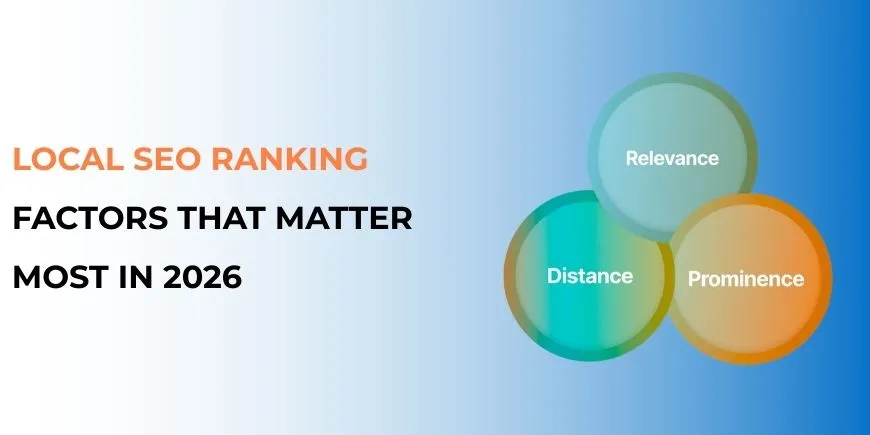
Local SEO Ranking Factors That Matter Most in 2026

Local search is no longer predictable, and businesses relying on outdated tactics feel it first. Modern local seo services now focus on intent, proximity, and trust rather than keyword tricks. Google rewards brands that meet real local needs. It also values clear signals from profiles, pages, and user interactions. That shift is driven by how people search today. Google and Ipsos report that 46% of searches have local intent, often tied to immediate decisions on mobile. AI-powered results now show trusted businesses right in Maps and summaries. This leaves little space for brands that lack strong local relevance. This makes understanding local SEO in 2026 essential, not optional. The factors that influence visibility now combine AI interpretation, real user behaviour, and credibility signals. This guide explains the changes, what matters most, and how businesses can compete in local packs, organic results, and AI-driven search experiences. What Is Local SEO and What Has Changed in 2026 Local SEO is the practice of optimising your online presence so your business appears when people search for products or services in a specific location. Local SEO is different from traditional SEO. Instead of aiming for wide national or global rankings, it targets nearby searches. These include high-intent queries like “near me” or searches linked to a specific city or area. Here, customers are ready to take action. Local SEO is not just about stuffing a city name into a title any more. Three big shifts define 2026. AI-driven answers sit above classic results: Google AI Overviews and other answer engines now summarise local options directly in the result. They lean on trustworthy brands with accurate profiles, strong reviews, and clear local content. Local intent is stronger & more urgent: Multiple studies show that around 76% of people who run a local search on a smartphone visit a business within 24 hours, and roughly 28% of those visits lead to a purchase. That means your visibility for local terms is directly linked to revenue, not vanity traffic. Behaviour & trust signals matter as much as keywords: Google now looks carefully at how users interact with your listing. Clicks, calls, direction requests, repeat brand searches, and time on site all help it decide which business deserves to stay at the top. In short, the best local SEO services in 2026 return reliable, consistent businesses that provide clear information and good experiences. Shortcuts do not last. Key Local SEO Ranking Factors in 2026 1. AI Driven Search Relevance Search engines now rely on artificial intelligence to interpret intent, urgency, and context rather than matching exact keywords. Businesses should clearly state what they offer, who their customers are, and when they’re available. This helps match real search habits and decision-making. This is where local seo services have evolved significantly. Clear service descriptions, correct categories, and focused content help AI systems show businesses in Maps, organic listings, and AI-generated answers. This way, they don’t depend on old optimization tactics. 2. Proximity and User Behaviour Signals Location still plays a role, but proximity alone no longer guarantees visibility. Google now observes how users interact with nearby listings, including clicks, calls, and direction requests, to determine which businesses are genuinely preferred within the same area. Strong engagement signals indicate relevance and quality. When users consistently choose one business over others nearby, search engines learn to prioritise it, improving rankings across local packs and AI assisted results over time. 3. Reviews and Reputation Signals Customer reviews directly influence trust and ranking. Google looks at review volume, recency, star ratings, and written feedback. This helps them understand real customer experiences and service reliability in various places and industries. Equally important is how businesses respond. Timely and professional responses show that management is active and accountable. This helps potential customers and search engines see the brand as credible and dependable. 4. Local Backlinks and Citations Local backlinks and citations still matter in 2026, but their role has shifted from volume to accuracy and relevance. Recent local ranking factor studies show citation signals influence around 6 to 7% of local pack and organic results. Yet, they remain essential because consistent business details support trust and AI-driven visibility. Effective local SEO now centers on these key actions: Claim and correct listings on major platforms. Use one standard NAP format everywhere. Earn genuine local links by getting involved in the community. A clean citation base plus a few strong local backlinks proves real-world activity and long-term credibility. 5. On Page Local SEO Signals On-page optimization in 2026 focuses on answering real user questions and providing clarity for both humans and AI. This means going past keyword stuffing. Instead, focus on creating content with a clear purpose. Make sure it matches the local search language and defines your audience. Dedicated location and service pages are essential for outlining who you serve, what you do, and the expected outcome. This clarity comes from structured data, such as LocalBusiness, FAQ, and Review Schema. It also relies on consistent NAP (Name, Address, Phone) details. Content should be structured with simple, direct paragraphs and clear headings to suit answer engines. Utilize internal links strategically to guide users and crawlers between services, locations, and blog content. 6. Local Content Depth and Topical Coverage Search engines favour businesses that demonstrate real expertise within their local market. Content that answers location specific questions and explains services in practical terms helps establish topical authority and relevance. Well structured local content also supports conversational and voice searches. Clear explanations help AI systems understand and respond better to spoken queries. This is why businesses gain from the best local SEO services that focus on clarity and user intent. 7. Brand Trust and Credibility Signals Trust has become a core ranking driver. Search engines look for signals such as secure websites, transparent contact details, consistent branding, and third party mentions that indicate a legitimate, active business. Strong credibility supports long term visibility. Businesses that use the best local SEO services usually do better on Maps, in organic listings,

Google AI Overviews

Google AI Overviews Overlaps Organic Search By 54%

Search is entering a new era where Google’s AI Overviews are changing how visibility works online. Recent research shows that Google AI Overviews overlap with organic search by 54%. This means the gap between human and machine understanding of content is closing quickly. The remaining 46% of AI citations come from entirely different pages than the ones ranking in traditional search. For every brand that relies on organic traffic, this number is a wake-up call. Ranking on page one is no longer the full story. Visibility now depends on whether your content is chosen by Google’s AI as a trusted source for its generated answers. At Mount Web Technologies, we help businesses adapt to this next stage of SEO, where both algorithms and AI models must read and trust your pages. What the 54% Overlap Reveals BrightEdge analyzed thousands of results to understand how AI Overviews choose citations. Their study found that just over half of the sources mentioned inside AI summaries already appear in the top organic rankings. The rest come from entirely new domains that may not rank well but still hold valuable information for searchers. This means that AI Overview rewards content that matches intent and clarity, not just keyword or link strength. It also reflects how Google’s FastSearch and RankEmbed systems interpret user behavior. These deep learning models study search logs, clicks, and engagement data to learn which content formats users find most satisfying. The more your page aligns with user expectations, the higher the chance it will appear inside AI results. How FastSearch and RankEmbed Are Redefining Ranking Factors FastSearch is designed for speed and semantic accuracy. It connects queries to documents based on meaning rather than only keyword matches. The RankEmbed model uses signals from billions of searches. This helps it understand what people expect when they ask a specific question. If users searching for “how to improve conversion rates” spend more time reading detailed guides, FastSearch learns that long-form, instructional content is ideal for that topic. As a result, AI Overviews tend to feature content that educates, demonstrates, and solves problems. Traditional ranking signals such as backlinks remain helpful but are no longer enough. To win visibility today, websites must focus on experience, authority, and helpfulness. Clear formatting, expert authorship, and evidence-based insights are now the strongest indicators of trust for both searchers and AI systems. Why the Overlap Differs Across Industries The overlap between organic rankings and AI citations is not the same across the board. BrightEdge reports that there is a discrepancy of approximately 75% between the two for the healthcare sector, which is the highest among all. Education follows close behind with more than 70%, while insurance sits near 69%. These industries heavily depend on trusted information from a small number of supportable sources, which is why AI is so strong in this case.   In contrast, e-commerce shows only around 23% overlap. Product listings rarely appear in AI Overviews because those spaces focus on research and discovery rather than direct purchase intent. This difference shows that AI prefers pages that inform before it promotes. Businesses in research-heavy industries should focus on keeping authority and accuracy. Retailers, on the other hand, need to go beyond just product descriptions. Creating buying guides, comparison pages, and problem-solving blogs can help e-commerce brands earn citations in AI results. SEO Optimization Strategies for AI Overviews Success in 2026 depends on aligning your SEO with how AI interprets information. These steps can help improve your visibility inside AI Overviews. Audit Your AI Presence  Search your brand keywords inside Google’s AI mode or experiment with Search Labs. Identify which pages appear in the AI summary and which ones only rank organically. Understanding this gap is the first step to improvement. Match User Intent and Context  AI reads beyond words. It focuses on meaning. Expand every page with short, precise answers to real questions your users ask. Add follow-up explanations for related queries. The closer your content matches human thought flow, the higher your AI citation chance. Strengthen E-E-A-T Across Your Site  Showcase real authors, credentials, and references. Add publication dates and cite reliable sources. Pages that demonstrate expertise and transparency build stronger trust signals for AI models evaluating credibility. Structure for Machine Understanding To more clearly present your content, utilize distinct headings, lists, and tables. Implement FAQ, HowTo, and Article schema markup so Google can interpret relationships between topics. Structured pages are easier for AI systems to analyze and display. Improve Technical SEO and User Experience  Maintain fast loading times, responsive design, and logical internal links. AI Overviews often pull from well-organized pages that deliver both technical health and contextual depth. When combined, these optimization strategies create a bridge between classic SEO and AI-driven visibility. What Businesses Should Focus on in 2026 The overlap data signals that SEO is evolving into a dual-layer system. Organic optimization remains vital for credibility, while AI optimization ensures continued exposure in new search formats. Companies must start treating AI visibility as a measurable metric. Track how many branded queries trigger AI Overviews. Check your click-through rates from AI snippets. Then, improve pages that aren’t performing well by adding richer insights and better formatting. At Mount Web Technologies, our team runs detailed AI citation audits to help clients identify where their content stands today. We create focused content clusters for both readers and AI. This helps maintain visibility on different platforms. Discover how visible your business is inside Google’s AI results. Book a FREE AI-SEO audit with Mount Web Technologies and get personalized strategies to strengthen your rankings. Key Insights to Remember Over half of AI Overview citations overlap with organic results while nearly half come from outside traditional rankings. Google’s FastSearch prioritizes semantic meaning and user satisfaction over legacy ranking signals. Sectors like healthcare, education, and insurance enjoy high overlap because they meet user trust expectations. E-commerce must publish more informative and research-driven content to gain AI exposure. The most effective SEO strategies in 2026 combine human-centered writing with machine-readable

Top 15 On-Page SEO Factors to Rank Higher on Google in 2026

Top 15 Essential On-Page SEO Factors to Rank Higher in 2026

The competition for visibility is brutal in 2026. Every click, keyword, and second of user attention now depends on how well you master On-Page SEO factors 2026 that actually influence rankings. Search engines have grown smarter, and so must your content strategy if you want to stay seen. Google now reads like a human editor. It measures clarity, relevance, and intent before deciding who deserves the top spot. The difference between an average site and a top performer lies in applying modern SEO Optimization strategies that make every page technically sound and user-friendly. If your website is still built on outdated tactics, you are losing ground daily. The next wave of SEO is about precision and adaptability. This guide reveals the fifteen on-page factors that can future-proof your rankings in 2026 and beyond. 1. Meta Title & Description That Attract Clicks Your meta title and description are the first thing users and Google AI read. Keep them clear, relevant, and persuasive. They directly impact your visibility in On-Page SEO factors 2026 ranking systems. Limit title to 60 characters, meta description to 160. Include your primary keyword naturally. Add a value-driven statement like “Proven Guide” or “2026 Tips.” Engaging metadata improves your click-through rate, helping your site stand out even before the user visits. 2. Structured Headings That Define Clarity Google’s algorithms read your content’s hierarchy like an outline. A clear heading structure helps users navigate and helps AI engines identify topic depth within On-Page SEO Factors 2026 content. Use one H1 tag per page, followed by H2s and H3s for subtopics. Each should guide the reader naturally. Balanced headers make your content readable, skimmable, and more likely to appear in featured snippets. 3. E-E-A-T: Building Trust That Ranks E-E-A-T defines how Google evaluates content quality and is central to strong SEO Optimization Strategies. It helps search engines and users decide whether your website deserves to be trusted, cited, and ranked higher. How to strengthen E-E-A-T Experience reflects whether the author has genuinely done or used what they discuss, showing real-world insight. Expertise highlights the author’s knowledge, education, or background in the subject area. Authoritativeness measures if your website is recognized as a reliable source within its niche. Trustworthiness ensures your site is transparent, accurate, and secure for users. When these elements work together, they send clear quality signals to both readers and AI systems, helping your website build long-term trust and visibility. 4. Keywords That Match Search Intent Keywords are still one of the most important On-Page SEO Factors 2026, but how you use them has evolved. Google now focuses on meaning, intent, and context instead of simple repetition. Smart keyword use helps your content stay relevant and AI-ready. How to use keywords effectively Place target keywords naturally in titles, first paragraphs, and headers Add related phrases and long-tail variations for broader coverage Match your content with the exact search intent behind the query Use semantic keywords that clarify context and depth For example, if your topic is SEO Optimization Strategies, include supporting phrases like “AI-friendly content structure” or “how to improve Google rankings in 2026.” This makes your page more useful, precise, and visible in evolving search results. 5. Clean and Readable Page URLs Short and descriptive URLs improve both search visibility and user experience. Google favors clear links that accurately represent what the page is about and are easy to remember. How to optimize your URLs Keep them short, clean, and meaningful Avoid numbers, symbols, or random strings Use lowercase letters and separate words with hyphens Ensure each URL clearly reflects the page topic Well-structured URLs help search engines understand your content faster and make users more confident when clicking through to your site. 6. Original Content That Offers Real Value In 2026, Google rewards content that is original, useful, and aligned with real user intent. Quality now means clarity, credibility, and depth. Search engines value content that answers questions with precision and supports modern SEO Optimization strategies. How to create high-performing content in 2026: Write for people first and optimize naturally for search engines Avoid filler text or repetitive keyword use Add real insights, data, visuals, and expert perspectives Refresh older articles to maintain accuracy and engagement For example, instead of posting a short blog on “SEO Maintenance 2026,” create a complete guide with actionable steps, real brand examples, and current AI-driven tools. This approach keeps your website authoritative, engaging, and future-ready in the evolving search landscape. 7. Logical Site Architecture That Supports Crawling A clear and organized website structure is one of the most powerful On-Page SEO Factors 2026. It helps users find what they need quickly and allows search engines to crawl and understand your content efficiently. Logical design improves both user experience and ranking performance. Best practices for strong site architecture Keep the URL structure clean and uniform. Create a visible structure from the main page to the category to the article. Link associated pages with internal links. Have a straightforward and easy-to-use navigation menu. For example, a website that has categories such as “SEO Tips,” “Content Marketing,” and “Analytics” will support the easy movement of visitors among related topics. It will also facilitate the detection of page relationships by Google, thus resulting in better indexing. 8. Page Speed That Keeps Visitors Engaged Fast-loading pages reduce bounce rates and improve engagement. Google Core Web Vitals are now a major ranking factor in On-Page SEO factors. To optimize speed: Compress images Minimize scripts Use reliable hosting Studies show a one-second delay can cut conversions by 20%. Every second counts when optimizing for both users and AI. 9. Mobile Optimization for First Impressions Mobile usability now defines the success of your On-Page SEO Factors 2026. With most searches happening on smartphones, Google’s mobile-first indexing means your site’s mobile version decides how it ranks. A seamless mobile experience builds trust and keeps visitors engaged longer. How to optimize for mobile performance Use a fully responsive design that adapts to every screen size Ensure buttons, menus, and

Address

Mount Web Technologies is a digital marketing partner helping local businesses and ecommerce brands scale revenue.

Contact Us

Address

C-98, Phase 7, Industrial Area, S.A.S Nagar, Punjab, 160073, INDIA

Phone Number

+91 8283022100

Copyright 2026, Mount Web Technologies. All Rights Reserved.

Mount Web Technologies is a digital marketing partner helping local businesses and ecommerce brands scale revenue.

Contact Us

Address

C-98, Phase 7, Industrial Area, S.A.S Nagar, Punjab, 160073, INDIA

Phone Number

+91 8283022100

Copyright 2026, Mount Web Technologies. All Rights Reserved.

Scroll to Top

    Read Case Study in Detail