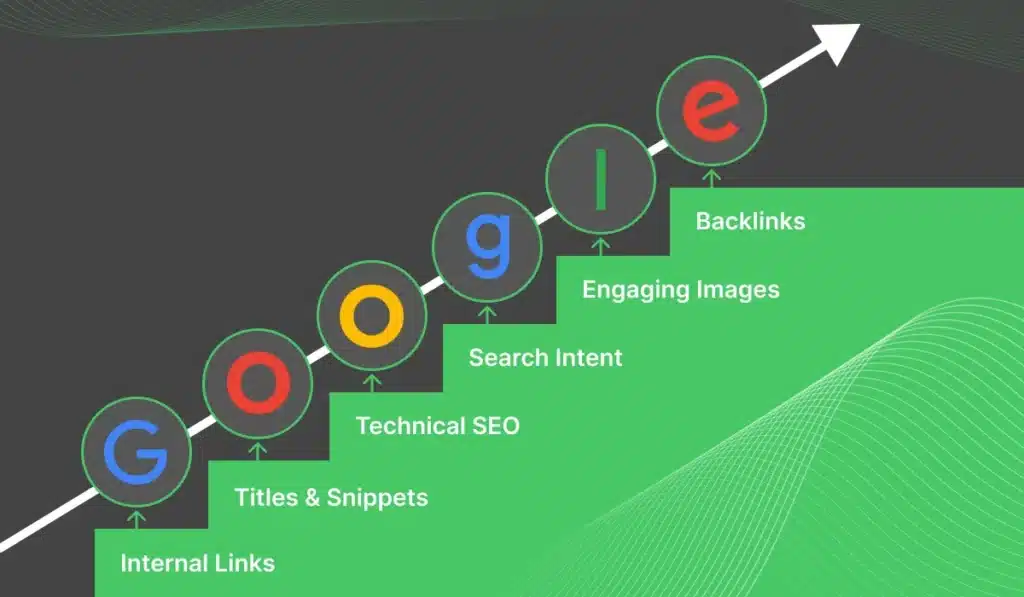

Top Reasons Why Every Business Needs an SEO Audit
Your website is the first thing potential customers see, so it must be easy to find and perform well. A smooth, user-friendly experience keeps visitors engaged and builds trust. In today’s competitive digital marketing industry, businesses need strong online visibility. If your website isn’t optimized or ranking well, customers will turn to competitors. It is essential to ensure that your website is working well in order to increase online visibility and attract more visitors if you want your business to remain competitive in 2025. Doing an SEO audit with a digital marketing agency is the greatest approach to assess how well your website is performing. SEO audits check your website’s performance, content quality, backlinks, and user experience to find what’s working, what’s not, and how to improve for better rankings. Search engines like Google constantly update their algorithms, making it important to keep your website optimized. An SEO audit checks how well your site follows the latest ranking factors and finds issues like broken links and slow loading speeds. It also provides clear steps to fix these problems and improve performance. By getting an SEO audit, you can boost your website’s visibility, attract more visitors, and stay ahead of competitors in 2025. In this guide, we’ll explain how an SEO audit helps your business grow and ensures your site stays effective in search results. What is an SEO audit? An SEO audit is a comprehensive analysis of the way your website performs in search engines. This evaluation looks at a number of technical, off-page, and on-page elements to find areas that can use improvement. Moreover, SEO audits offer you insightful information about your strengths and areas for improvement. An SEO audit provides you with a clear way to close these gaps and enhance the functionality of your website, which will ultimately improve search engine ranks and increase website traffic. Key Factors of an SEO Audit An SEO audit looks at different parts of your website to see how well it’s performing. Here are some key areas that are checked during the audit. 1. Technical SEO Analysis Technical SEO makes ensuring that your website satisfies search engine crawling, indexing, and ranking standards. It comprises elements such as: Page Load Speed: A fast-loading site improves rankings and keeps visitors engaged, while a slow site can increase bounce rates. Mobile Optimization: As most users are on mobile, it’s important to have a design that is responsive and easy to use. XML sitemap and robots.txt: XML sitemaps and robots.txt files help search engines navigate and index your website efficiently. Website Navigation: A well-structured site makes it easier for search engines to crawl and understand your content. A comprehensive technical SEO audit will identify any problems affecting the functionality of your website. 2. On-Page SEO Evaluation On-page SEO aims to improve each page to appear higher in search results. An audit looks at important on-page components, such as: Relevance & quality of the content: Search engines prefer useful, instructive content that aligns with user intent. Keyword usage: The audit looks for the best keyword placement in headers, subheadings, and body text to guarantee content relevance. Title tags and meta descriptions: Make them catchy and optimized to boost click-through rates. Image optimization: File names and alt tags affect accessibility and search exposure. 3. Off-Page SEO Analysis Off-page SEO analyzes external factors affecting rankings, mainly backlinks from trusted websites. Strong backlinks improve your site’s authority. An SEO audit checks backlink quality, quantity, and relevance to ensure they positively impact your search engine rankings. Moreover, SEO audit analyzes: Backlink Quality Check: Assessing the number and quality of backlinks to build trust and authority. Anchor Text Analysis: Ensuring anchor text is diverse and naturally integrated for better SEO. Competitor Backlink Insights: Compare your backlink profile with competitors. This helps you find growth opportunities using professional SEO services. 4. User Experience and Interface Search engines are becoming more and more concerned with user experience (UX). Google gives preference to websites that offer a smooth, user-friendly experience. An SEO audit looks at factors that affect user experience, like: Navigation: Is it simple to use your website? Can consumers easily locate what they need? Page design: Can components such as buttons, forms, and images be shown accurately? Readability of the content: Text should be simple to read and divided into headers, bullet points, and images. 5. Content Audit Content is key to SEO success. An audit checks if your website’s content is relevant, valuable, and optimized for search engines. Content gaps: Do other companies cover any subjects that you don’t? The authority of your website can be increased by addressing these gaps. Engagement metrics: Pages with short dwell durations or high bounce rates suggest possible problems with the relevancy or quality of the material. Duplicate content: An audit will find and address these problems because Google penalizes duplicate content. Why is an SEO audit important? SEO audits are crucial because they identify problems that need to be fixed, provide information about how well a website performs in searches, and recommend changes to increase organic search traffic. An SEO audit can assist you in: Make sure your website complies with search engine optimization best practices. Find ways to improve your internet visibility. Identify and address any problems that are affecting your search engine results. For long-term success, modify your link-building and content marketing tactics. Regular SEO audits play a crucial role in comprehensive SEO strategies. 7 Reasons Why Your Business Need An SEO Audit 1. Adapt to Evolving Search Engine Algorithms Search engines like Google frequently update their algorithms to improve search results, making it essential for businesses to keep up with these changes. These updates assess websites based on factors like technical performance, content relevance, and user experience. If a website fails to adapt, it risks lower rankings, reduced visibility, and a decline in traffic. That’s why businesses need a proactive approach to SEO to maintain their online presence. A digital marketing agency can help by conducting regular SEO audits. Mount